
Table of Contents
- gaggenau vs miele: Overview of Brand Philosophy
- Design language in gaggenau vs miele kitchens
- Performance and Cooking Technology
- User Experience and Interface
- Installation, Service, and Warranty
- Pricing and Value Proposition
- Choosing the Right Brand for Your Kitchen Style
- Quick Tips for Selecting High‑End Appliances
- Common Mistakes When Buying Premium Kitchen Appliances
- Frequently Asked Questions
Gaggenau vs Miele – Choosing the Right High‑End Kitchen Brand
When it comes to outfitting a kitchen that blends cutting‑edge technology with timeless style, two German names dominate the conversation: Gaggenau and Miele. Both brands promise professional‑grade performance, but they arrive at that promise with distinct philosophies, design cues, and price structures. Understanding these nuances helps homeowners avoid costly mismatches and ensures the appliances become true centerpieces rather than afterthoughts.
In this article we’ll walk through the major factors that separate Gaggenau from Miele— from the way each brand approaches design to how they handle service and warranty. By the end, you’ll have a clear roadmap for deciding which brand aligns best with your cooking habits, aesthetic preferences, and budget.
gaggenau vs miele: Overview of Brand Philosophy
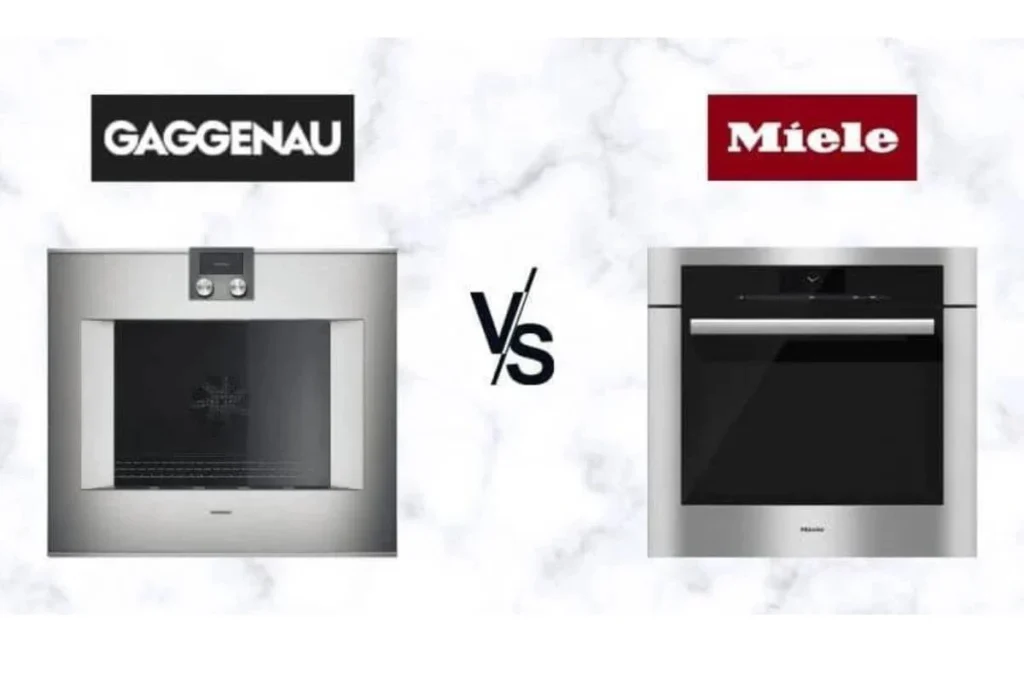
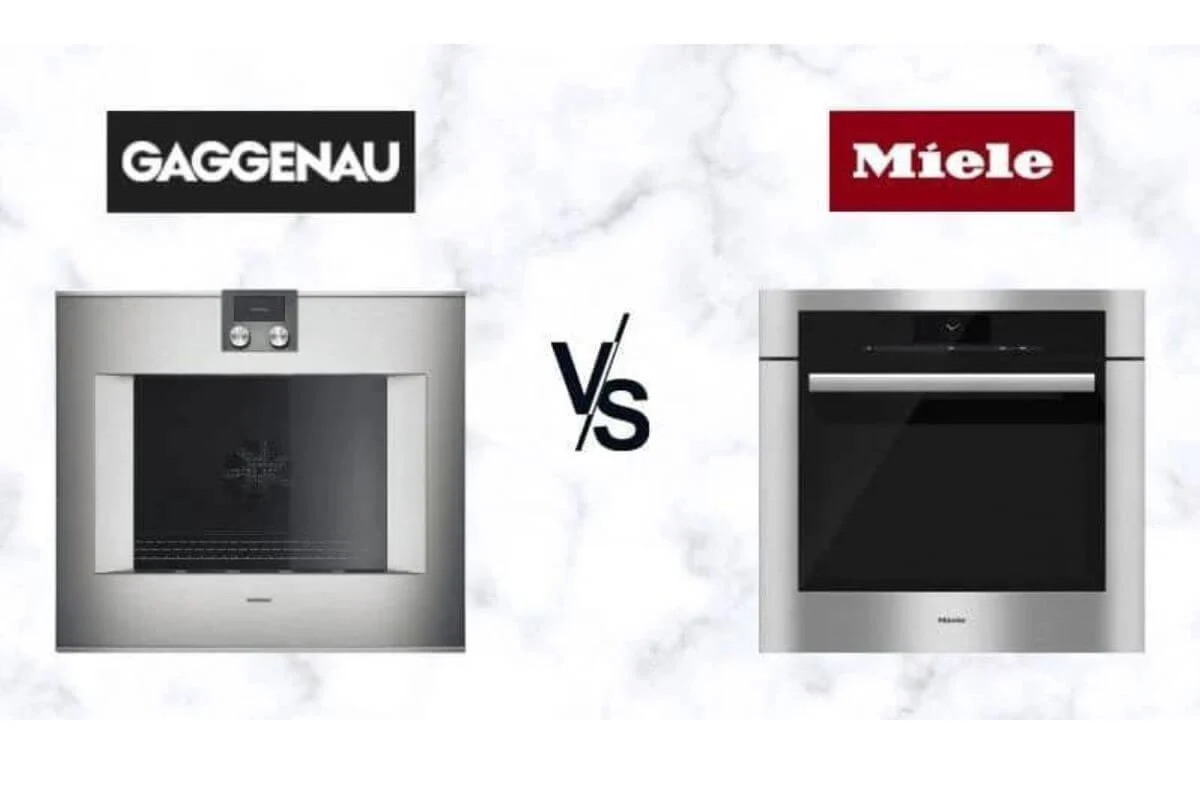
Gaggenau, founded in 1683, originally produced brass hardware before evolving into a pioneer of professional‑grade kitchen appliances. The brand positions itself as a “culinary laboratory” where chefs can experiment without limits. Every product line emphasizes bold, industrial aesthetics—think stainless steel frames, exposed hardware, and a focus on modularity that lets you build a custom configuration.
Miele, on the other hand, traces its roots to 1899 as a maker of household appliances for everyday use. Its high‑end kitchen range reflects a philosophy of “quiet perfection.” The design language leans toward understated elegance, with smooth surfaces, muted colors, and a commitment to low‑noise operation. Miele’s tagline—“Immer Besser” (Always Better)—summarizes its drive for incremental improvement across all product categories.
Both brands share a dedication to durability and German engineering, but where Gaggenau celebrates the drama of cooking, Miele quietly supports the process. This fundamental difference informs everything from the look of a wall‑mounted oven to the tactile feel of a control knob.
Design language in gaggenau vs miele kitchens
When you step into a Gaggenau‑styled kitchen, the appliances often act as statement pieces. Heavy‑duty handles, visible seams, and a palette of brushed steel or black glass create a high‑contrast environment. In contrast, a Miele kitchen feels seamless; appliances are integrated with the cabinetry, and the controls are typically touch‑sensitive or hidden behind sleek panels.
Choosing between the two therefore hinges on whether you want your kitchen to be a visual focal point (Gaggenau) or a subtle backdrop to the food you create (Miele).
Performance and Cooking Technology
Both brands deliver professional performance, but they achieve it differently. Gaggenau’s ovens often feature multiple cooking modes, including steam, convection, and a proprietary “Sirocco” system that circulates hot air at high speeds for rapid roasting. Its cooktops—especially the induction models—provide instant temperature response, which is prized by chefs who need precise heat control.
Miele’s strength lies in consistency and user‑friendly automation. Features such as “Miele@home” connectivity allow you to preheat the oven from your smartphone, while the “ThermoFlex” technology automatically adjusts heat distribution based on the dish’s weight and moisture content. The brand’s dishwashers and coffee machines also benefit from sophisticated sensor arrays that fine‑tune cycles for optimal results.
In practice, Gaggenau’s performance edge shines when you experiment with complex techniques like sous‑vide or high‑heat searing. Miele, however, excels at delivering repeatable, reliable outcomes with minimal manual intervention.
User Experience and Interface
The user interface is where the personality of each brand becomes tangible. Gaggenau opts for tactile knobs, bold LED displays, and an industrial feel that invites the user to interact physically with the appliance. The learning curve can be steeper, but many cooking enthusiasts appreciate the sense of control.
Miele favors a minimalist approach: touch‑sensitive panels, soft‑glow indicators, and an emphasis on silent operation. The “Miele@home” app integrates all appliances into a single dashboard, allowing you to monitor cooking progress, receive maintenance alerts, and even download new cooking programs. For tech‑savvy households, this ecosystem can be a compelling advantage.
Both systems are intuitive once you become accustomed to them, but your preference for tactile versus digital interaction will shape the overall satisfaction.
Installation, Service, and Warranty
Premium appliances demand professional installation, and both Gaggenau and Miele provide certified installer networks. Gaggenau’s modular design can simplify the process, especially in custom kitchens where appliances are stacked or placed in unconventional configurations.
Miele’s focus on seamless integration sometimes requires more precise cabinet modifications, which can increase installation time and cost. However, Miele’s service reputation is strong; the company offers a 10‑year warranty on many of its kitchen products, covering both parts and labor, whereas Gaggenau typically provides a 5‑year warranty with optional extended plans.
When evaluating long‑term ownership, consider the availability of local service technicians, the cost of spare parts, and the ease of scheduling repairs. Both brands have robust support, but the extended warranty from Miele can be a decisive factor for homeowners who value peace of mind.
Pricing and Value Proposition
Unsurprisingly, both Gaggenau and Miele sit at the high end of the price spectrum. A 90‑cm Gaggenau wall oven can start around $5,000, while a comparable Miele model may be priced slightly lower, around $4,200. Induction cooktops follow a similar pattern, with Gaggenau’s premium models costing 10‑15% more on average.
The higher price tag on Gaggenau often reflects its avant‑garde design, modular flexibility, and the brand’s appeal to professional chefs. Miele’s pricing, meanwhile, emphasizes long‑term reliability, low‑noise performance, and an integrated smart home ecosystem.
When calculating value, factor in not just the purchase price but also the anticipated lifespan, energy efficiency (both brands achieve A+++ ratings), and the potential resale impact on your home. In many upscale markets, a well‑executed Gaggenau kitchen can become a selling point, while a Miele‑equipped home may attract buyers looking for understated luxury and low maintenance.
Choosing the Right Brand for Your Kitchen Style
Here are three decision‑making checkpoints to help you align your choice with your overall design vision:
- Visual Impact: If you want appliances to serve as artistic focal points, Gaggenau’s bold aesthetics will complement an industrial or contemporary loft.
- Technology Integration: For a seamless smart‑home experience, Miele’s connectivity suite offers centralized control that blends with minimalist décor.
- Cooking Habits: Serious home chefs who love to experiment with high‑heat techniques may lean toward Gaggenau, while families seeking reliable, set‑and‑forget functionality often prefer Miele.
Pairing your appliance choice with the overall interior theme can elevate the entire space. For example, a modern Scandinavian apartment décor can harmonize beautifully with Miele’s clean lines, while a loft with exposed brick and steel accents might feel at home with Gaggenau’s industrial vibe. For more inspiration, see our guide on Modern Scandinavian Apartment Décor: A Complete Guide.
Quick Tips for Selecting High‑End Appliances
- Measure your cabinet openings twice before ordering; both Gaggenau and Miele have precise dimensions that leave little room for error.
- Prioritize energy‑efficiency ratings; A+++ models reduce long‑term utility costs.
- Check for compatible smart‑home platforms; Miele integrates with Apple HomeKit and Google Assistant, while Gaggenau offers its own proprietary app.
- Visit a showroom to feel the tactile difference between knobs and touch panels—this can clarify your interface preference.
- Consider future resale value; premium brands often add perceived value to the home.
Common Mistakes When Buying Premium Kitchen Appliances
Even seasoned homeowners can stumble during the buying process. Here are pitfalls to avoid:
- Over‑focusing on brand name alone: A sleek Gaggenau oven looks impressive, but if you rarely use convection features, you may not reap its benefits.
- Neglecting kitchen workflow: Place appliances where they interrupt the cooking triangle; ergonomics matter as much as aesthetics.
- Skipping professional installation quotes: Installation costs can add 15‑20% to the total price, especially for custom cabinetry.
- Ignoring warranty details: A longer warranty can save money on repairs; compare the fine print between Gaggenau’s 5‑year and Miele’s 10‑year coverage.
- Underestimating maintenance: Both brands require periodic cleaning of filters and vents; budget time and resources for upkeep.
Frequently Asked Questions
Which brand offers better energy efficiency?
Both Gaggenau and Miele provide A+++ rated appliances, but Miele’s smart sensors often fine‑tune cycles to use the minimum necessary energy, giving it a slight edge in everyday use.
Can I integrate Gaggenau appliances into a smart home?
Yes. Gaggenau offers its own app for remote control and can connect with major smart‑home ecosystems through third‑party bridges, though the integration isn’t as seamless as Miele’s native support.
Is the higher price of Gaggenau justified for a casual cook?
For casual cooks, the extra cost may not translate into noticeable benefits. Miele’s user‑friendly automation often provides more practical value for everyday cooking.
Do both brands offer built‑in coffee machines?
Miele has an extensive line of built‑in coffee makers with bean‑to‑cup technology. Gaggenau’s offerings are more limited, focusing primarily on ovens and cooktops.
How do the warranties compare?
Miele typically offers a 10‑year warranty covering parts and labor on many kitchen products, while Gaggenau provides a standard 5‑year warranty with optional extensions.
Understanding these details helps you make an informed decision that aligns with both your culinary ambitions and interior design goals.
Choosing between Gaggenau and Miele ultimately comes down to a balance of visual preference, technology needs, and long‑term value. By evaluating your kitchen’s layout, cooking style, and design aspirations, you can select the brand that not only performs flawlessly but also enhances the overall atmosphere of your home. For additional décor ideas that complement high‑end appliances, explore our article on Simple Bathroom Organization Décor: Modern Tips for Every Home and see how cohesive design can transform any space.
Whichever path you take, investing in premium appliances is a statement of commitment to quality, durability, and style. Let the chosen brand inspire your culinary creativity, while the surrounding design reflects your personal taste. Happy cooking, and enjoy the journey of shaping a kitchen that truly feels like the heart of your home.