
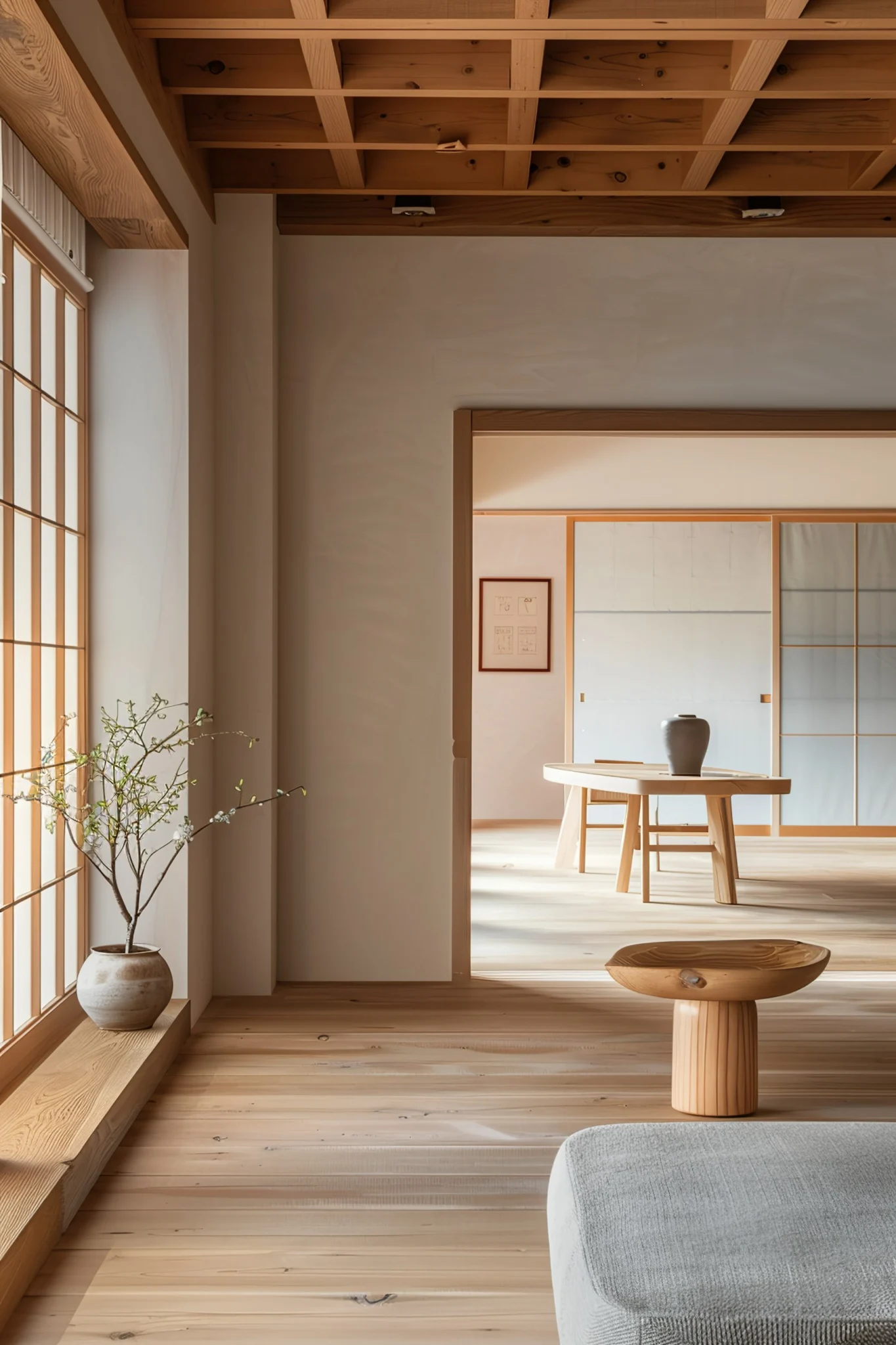
Table of Contents
- Understanding the Core Principles of Japandi
- Japandi interior design ideas for the living room
- Layering textures without clutter
- Japandi interior design ideas for the bedroom
- Creating a calming sanctuary
- Japandi interior design ideas for the kitchen
- Smart storage and subtle décor
- Japandi interior design ideas for small apartments
- Maximizing natural light
- Incorporating Japandi into outdoor and transitional spaces
- Seamless indoor‑outdoor flow
- Quick Home Décor Tips for a Japandi Makeover
- Common Mistakes to Avoid When Adopting Japandi
- Frequently Asked Questions
Japandi Interior Design Ideas: Modern Calm for Every Home
When the sleek serenity of Japanese design meets the cozy practicality of Scandinavian style, the result is a space that feels both tranquil and welcoming. This fusion, known as Japandi, has become a go‑to aesthetic for homeowners who crave simplicity without sacrificing comfort. Whether you’re redecorating a compact apartment or a spacious family home, Japandi interior design ideas can guide you toward a balanced, timeless look that works in any setting.
In this article, we’ll explore how to translate the core principles of Japandi into real‑world rooms—living areas, bedrooms, kitchens, and even small spaces. You’ll learn practical tips, discover common pitfalls to avoid, and find inspiration from carefully selected examples. By the end, you’ll have a clear roadmap for creating a space that feels light, functional, and effortlessly elegant.
Understanding the Core Principles of Japandi
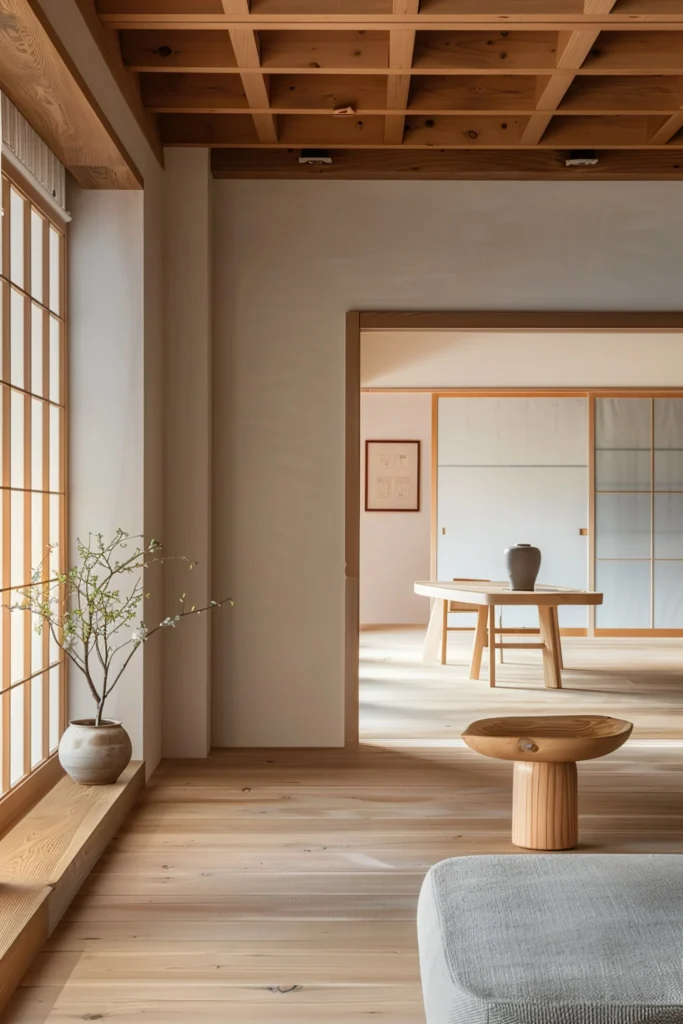
At its heart, Japandi is about restraint and harmony. The Japanese influence brings a reverence for natural materials, clean lines, and a sense of calm, while the Scandinavian side adds warmth, texture, and a welcoming vibe. Together, they form a design language that values quality over quantity, muted palettes over loud colors, and purposeful décor over clutter.
Key elements include:
- Neutral color schemes: Soft whites, muted greys, and warm beiges dominate, punctuated by deep charcoal or earthy greens for contrast.
- Natural materials: Light woods like oak or pine, bamboo, linen, and stone create tactile interest.
- Functional furniture: Low‑profile sofas, streamlined chairs, and multi‑use pieces keep the space uncluttered.
- Minimal ornamentation: A single piece of art or a carefully chosen plant can become a focal point.
These principles lay the groundwork for every Japandi interior design idea you’ll apply throughout your home.
Japandi interior design ideas for the living room
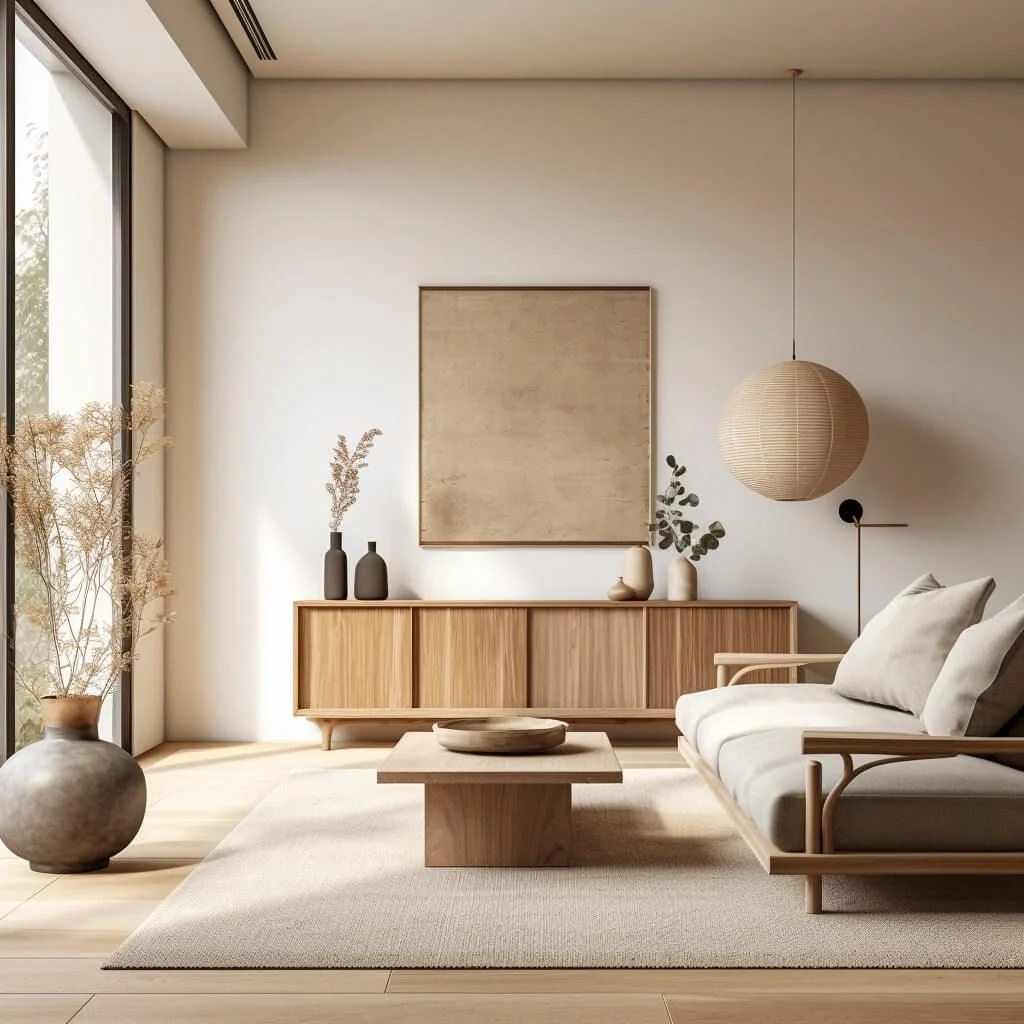
The living room is the social hub, making it an ideal canvas for Japandi’s balanced aesthetic. Start with a neutral wall color—think a warm off‑white or light taupe—to set a calming backdrop. Pair this with a low‑profile sofa upholstered in natural linen and a simple wooden coffee table that showcases the grain of the wood.
Layering textures without clutter
Introduce texture through a woven rug, a few linen throw pillows, and a chunky knit blanket. A single statement piece, such as a ceramic vase or a hand‑crafted wooden sculpture, adds visual interest without overwhelming the space. For a touch of soft lighting, explore cozy home décor with soft lighting to create a warm glow that enhances the room’s serenity.
Consider a built‑in wall niche to display a small collection of books or a potted plant, which also serves as an elegant storage solution. This approach aligns perfectly with Japandi interior design ideas that prioritize functional beauty.
Japandi interior design ideas for the bedroom
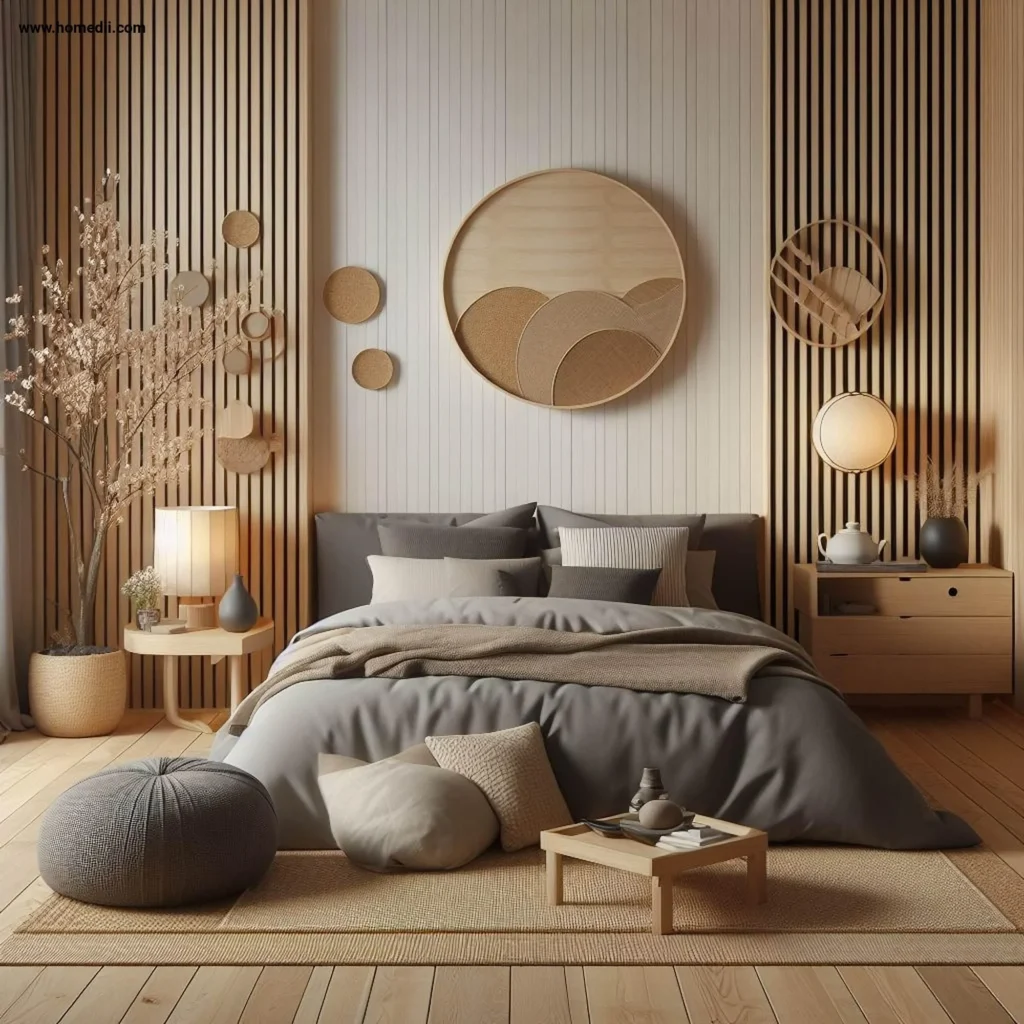
A bedroom should feel like a retreat, and Japandi’s soothing palette makes it easy to achieve. Choose a platform bed with a simple, low‑profile frame made of light wood. Dress the bed in crisp white linens, and add a muted, textured duvet cover in soft grey or sage.
Creating a calming sanctuary
Keep nightstands minimal—perhaps a single drawer and a small ceramic lamp. A pair of Japanese shoji screens can serve as a stylish room divider or a headboard, adding subtle pattern while maintaining the clean lines Japandi celebrates. Add a few potted succulents or a bamboo plant to bring a hint of nature indoors.
For those who love reading in bed, incorporate a supportive ergonomic chair that blends with the room’s aesthetic, ensuring comfort without breaking the visual flow.
Japandi interior design ideas for the kitchen
The kitchen is where functionality meets style, and Japandi’s emphasis on practicality shines here. Opt for flat‑panel cabinets in a muted, matte finish—either soft white or a warm pastel gray. Pair them with open shelving made of natural wood to display simple dishware and handmade bowls.
Smart storage and subtle décor
Utilize pull‑out pantry units and integrated appliances to keep countertops clear. A simple wooden cutting board, a few ceramic canisters, and a woven basket for fruit add texture while staying understated. If you’re looking for quick inspiration, check out simple kitchen shelf décor ideas for more ways to enhance visual interest without clutter.
Finish the space with matte black hardware and warm pendant lighting that casts a gentle glow, reinforcing the calm ambiance central to Japandi interior design ideas.
Japandi interior design ideas for small apartments
Small spaces benefit most from Japandi’s minimalist approach. Choose multi‑functional furniture—like a storage ottoman that doubles as a seat, or a wall‑mounted desk that folds away when not in use. Keep the floor plan open by using light wood flooring that extends through the living and sleeping areas, creating a seamless flow.
Maximizing natural light
Use sheer curtains in a neutral hue to allow daylight to filter through, enhancing the airy feel. Mirrors with simple wooden frames can reflect light and make the room appear larger. A strategically placed indoor plant adds a splash of green without overwhelming the limited space.
When decorating a compact home, every piece should serve a purpose. This aligns perfectly with Japandi interior design ideas that stress intentionality and elegance.
Incorporating Japandi into outdoor and transitional spaces
Japandi isn’t limited to indoor rooms; the aesthetic extends gracefully to balconies, patios, and entryways. Choose simple wooden planters, low‑profile outdoor seating, and natural fiber rugs that can withstand the elements. A few stone lanterns or a bamboo water feature can bring a touch of Japanese garden serenity to your outdoor oasis.
Seamless indoor‑outdoor flow
Connect the interior and exterior by using the same wood tones and color palette in both spaces. A sliding glass door painted in a soft white finish can act as a visual bridge, allowing the calm of the outdoors to blend with the interior’s restrained elegance.
Quick Home Décor Tips for a Japandi Makeover
- Stick to a maximum of three accent colors to maintain visual harmony.
- Invest in quality over quantity—choose one well‑crafted sofa instead of several cheap pieces.
- Use natural light as your primary source; avoid heavy drapes.
- Introduce plants for subtle color and improved air quality.
- Keep décor minimal; let each item have space to breathe.
Common Mistakes to Avoid When Adopting Japandi
Even with the best intentions, it’s easy to misinterpret Japandi’s subtle balance. Below are frequent errors and how to sidestep them:
- Over‑accessorizing: Japandi thrives on restraint. Limit decorative objects to a few well‑chosen pieces.
- Choosing the wrong wood tone: Dark, heavy woods can feel too heavy. Opt for light, natural finishes that echo both Japanese and Scandinavian roots.
- Ignoring function: Every item should serve a purpose. Avoid decorative items that don’t add utility or aesthetic value.
- Mixing too many patterns: Stick to subtle, organic patterns like simple weaves or muted geometric prints.
- Neglecting lighting: Soft, layered lighting is essential. Use floor lamps, table lamps, and wall sconces to create a warm ambience.
Frequently Asked Questions
What colors work best for Japandi interiors?
Neutral tones such as warm whites, soft greys, and earthy beiges form the base. Add depth with charcoal, muted greens, or muted blues for accent pieces.
Can Japandi be applied to a traditional home?
Absolutely. Introduce Japandi elements gradually—start with natural wood furniture, swap out bright curtains for sheer ones, and replace heavy décor with simple, functional pieces.
Is it necessary to use Japanese or Scandinavian furniture exclusively?
No. The focus is on the aesthetic—clean lines, natural materials, and functional design. You can blend pieces from various sources as long as they align with the overall calm and purposeful look.
How do I make a small bathroom feel Japandi?
Use a light, matte finish on walls, incorporate a wooden vanity, and keep accessories minimal. A simple bamboo shower mat and a single plant can add warmth without clutter.
What flooring works best for Japandi spaces?
Light wood, bamboo, or natural stone flooring provides a warm, grounding foundation. If you prefer carpet, choose low‑pile, natural-fiber options in neutral shades.
Can I incorporate modern technology without breaking the Japandi vibe?
Yes. Choose sleek, minimalist tech—such as a flat‑screen TV with a wooden frame or smart lighting that can be dimmed to create a soft ambiance.
By embracing these Japandi interior design ideas, you’ll create spaces that feel both serene and inviting, no matter the size or layout of your home. The key lies in thoughtful selection, purposeful placement, and a commitment to simplicity.
Now that you have a toolbox of ideas, experiment with the balance of form and function in your own rooms. Let the calm of Japanese minimalism and the warmth of Scandinavian design guide your choices, and watch your living spaces transform into timeless retreats. For more inspiration, explore other articles on The Homara and keep refining your personal style.