
Table of Contents
- Balcony décor with wooden planters – Choosing the Right Wood
- Balcony décor with wooden planters: Size and Scale Considerations
- Design Themes: From Minimalist to Bohemian
- Practical Plant Selections for Wooden Planters
- Balcony décor with wooden planters – Maintenance Tips
- Styling Accessories: Lighting, Textiles, and Furniture
- Quick Tips for Balcony Décor with Wooden Planters
- Common Mistakes and How to Avoid Them
- Frequently Asked Questions
Balcony décor with wooden planters: stylish ideas for small spaces
Balconies often feel like overlooked extensions of our living area, yet they hold immense potential for personal expression and relaxation. When paired with the natural warmth of wooden planters, a balcony can transform from a mere functional platform into a curated oasis that reflects contemporary home décor trends. Whether you reside in a compact city apartment or a spacious suburban home, the right combination of wood and greenery can make the space feel larger, more inviting, and undeniably stylish.
In this guide, we’ll walk you through every step of designing balcony décor with wooden planters—from selecting the appropriate timber to arranging plants for optimal visual impact. You’ll learn how to balance aesthetics with practicality, discover budget‑friendly ideas, and avoid common pitfalls that can turn a beautiful vision into a maintenance nightmare. By the end, you’ll have a clear roadmap for turning your balcony into a standout feature of your home.
Ready to elevate your outdoor retreat? Let’s explore the essential elements, creative styling tricks, and expert tips that will make your balcony décor with wooden planters a true centerpiece of modern home styling.
Balcony décor with wooden planters – Choosing the Right Wood

The foundation of any successful balcony décor with wooden planters lies in the material choice. Different woods react uniquely to moisture, sunlight, and temperature fluctuations, which are inevitable in an outdoor setting. Cedar, for instance, contains natural oils that resist rot and insects, making it a popular choice for long‑term durability. Redwood offers a similar resilience, coupled with a rich, reddish hue that adds warmth to any design palette.
If you’re working with a tighter budget, pressure‑treated pine can be an economical alternative, provided it is sealed with a weather‑proof coating. Regardless of the type you select, always ensure the wood is properly treated or sealed to prevent water penetration, which can lead to warping or fungal growth.
- Durability: Opt for woods with natural resistance to decay.
- Finish: Use marine‑grade stains or sealants for extra protection.
- Weight: Consider the balcony’s load‑bearing capacity; lightweight woods like cedar reduce stress on railings.
Balcony décor with wooden planters: Size and Scale Considerations
When integrating wooden planters into a balcony, scale matters as much as material. Oversized containers can dominate a modest balcony, while tiny pots may look lost against larger railings. Measure your balcony’s dimensions first—both length and depth—and then sketch a layout that leaves at least 12‑18 inches of walking space between planters. This approach maintains safety while allowing each wooden planter to shine.
Grouping planters of varying heights creates a dynamic, layered look reminiscent of a garden terrace. Place taller planters at the back or corners to draw the eye upward, and reserve shorter, shallow boxes for herbs or succulents near the edge where you’ll spend the most time.
Design Themes: From Minimalist to Bohemian

Balcony décor with wooden planters is incredibly versatile, adapting to a range of interior design styles. A minimalist aesthetic thrives on clean lines, neutral colors, and a restrained plant palette—think whitewashed cedar boxes holding a single, sculptural Monstera. In contrast, a bohemian vibe embraces mixed textures, vibrant textiles, and an eclectic assortment of foliage, such as trailing pothos spilling from weathered pine crates.
To maintain cohesion, select a unifying element that ties the planters to the rest of your home décor. For a modern farmhouse feel, use reclaimed barn wood planters and pair them with linen cushions in muted earth tones. For a sleek urban loft, choose black‑stained hardwood boxes and pair them with metal lanterns.
- Minimalist: White or light‑stained wood, single‑plant focus.
- Industrial: Dark‑stained timber, metal accents, concrete pavers.
- Boho: Reclaimed wood, woven baskets, colorful throws.
- Scandinavian: Light pine, pastel cushions, simple geometric patterns.
Practical Plant Selections for Wooden Planters

Choosing the right plants is essential for a thriving balcony décor with wooden planters. Look for species that tolerate wind, direct sun, and occasional dryness—conditions typical of elevated outdoor spaces. Succulents such as Aeonium and Sedum require minimal watering, while herbs like rosemary, thyme, and basil provide culinary benefits and aromatic appeal.
For a touch of vertical drama, install a trellis against the railing and grow climbing vines like clematis or jasmine. These plants not only add height but also create a natural privacy screen. When selecting larger shrubs, ensure the wooden planter has adequate drainage holes and consider adding a saucer underneath to protect the balcony floor.
Balcony décor with wooden planters – Maintenance Tips
Regular upkeep keeps your wooden planters looking fresh and extends their lifespan. Clean the exterior of each planter with a soft brush and mild soap every few weeks to remove dust and pollen. Reapply a protective sealant annually, especially after a harsh winter or rainy season.
Inside the planter, use a high‑quality, well‑draining potting mix and add a layer of gravel at the bottom to improve drainage. Monitor moisture levels; over‑watering is a common mistake that leads to wood rot. For larger planters, consider installing a simple drip‑irrigation system to maintain consistent soil hydration without over‑saturating the wood.
Styling Accessories: Lighting, Textiles, and Furniture
Accessories are the finishing touches that elevate balcony décor with wooden planters from functional to fabulous. Soft lighting, such as solar‑powered string lights or LED lanterns, creates a cozy ambience after sunset. Position lights strategically—above taller planters or draped along the railing—to highlight both the wood grain and the foliage.
Introduce weather‑resistant textiles like outdoor rugs, cushion covers, and poufs to add comfort and visual interest. Choose fabrics in colors that complement the wood’s hue; for instance, deep navy cushions contrast beautifully with natural cedar, while pastel throws enhance a light pine aesthetic.
When space permits, add a compact bistro set or a fold‑away lounge chair. Opt for pieces made from powder‑coated metal or rattan to withstand the elements while keeping the visual weight balanced with the wooden planters.
Quick Tips for Balcony Décor with Wooden Planters
- Use reclaimed wood for an eco‑friendly, budget‑savvy option.
- Group planters by height to create a sense of depth.
- Incorporate scented herbs to engage the senses.
- Apply a UV‑resistant finish to prevent fading.
- Rotate plants seasonally to keep the look fresh.
Common Mistakes and How to Avoid Them
Even seasoned décor enthusiasts can stumble when styling balcony décor with wooden planters. One frequent error is overloading the balcony with too many heavy planters, which can exceed the structural load limit. Always verify your building’s weight specifications before purchasing large timber containers.
Another pitfall is neglecting proper drainage. Wooden planters that sit directly on the balcony surface without a saucer can cause water pooling, leading to wood swelling and rot. Use a tray or install a small drainage layer of pebbles beneath the soil to mitigate this risk.
Lastly, avoid mismatched aesthetics. Mixing wildly different wood finishes—such as raw pine with glossy mahogany—can create visual chaos. Instead, choose a cohesive finish or a unifying color palette to maintain harmony across the balcony space.
Frequently Asked Questions
Can I use untreated wood for balcony planters?
Untreated wood will eventually absorb moisture and deteriorate, especially in humid climates. It’s best to treat the wood with a waterproof sealant or choose naturally rot‑resistant species like cedar or teak.
How do I protect wooden planters from winter freeze‑thaw cycles?
Apply a winter‑grade wood stain before the first frost and ensure the planter has adequate drainage. In extremely cold regions, consider moving the planters to a sheltered area or using insulated covers.
What size wooden planter is ideal for a 4 × 6 ft balcony?
Aim for planters that occupy no more than 30‑40% of the floor area. A mix of one tall 24‑inch planter, two medium 18‑inch boxes, and a few smaller 8‑inch containers usually provides balance without overcrowding.
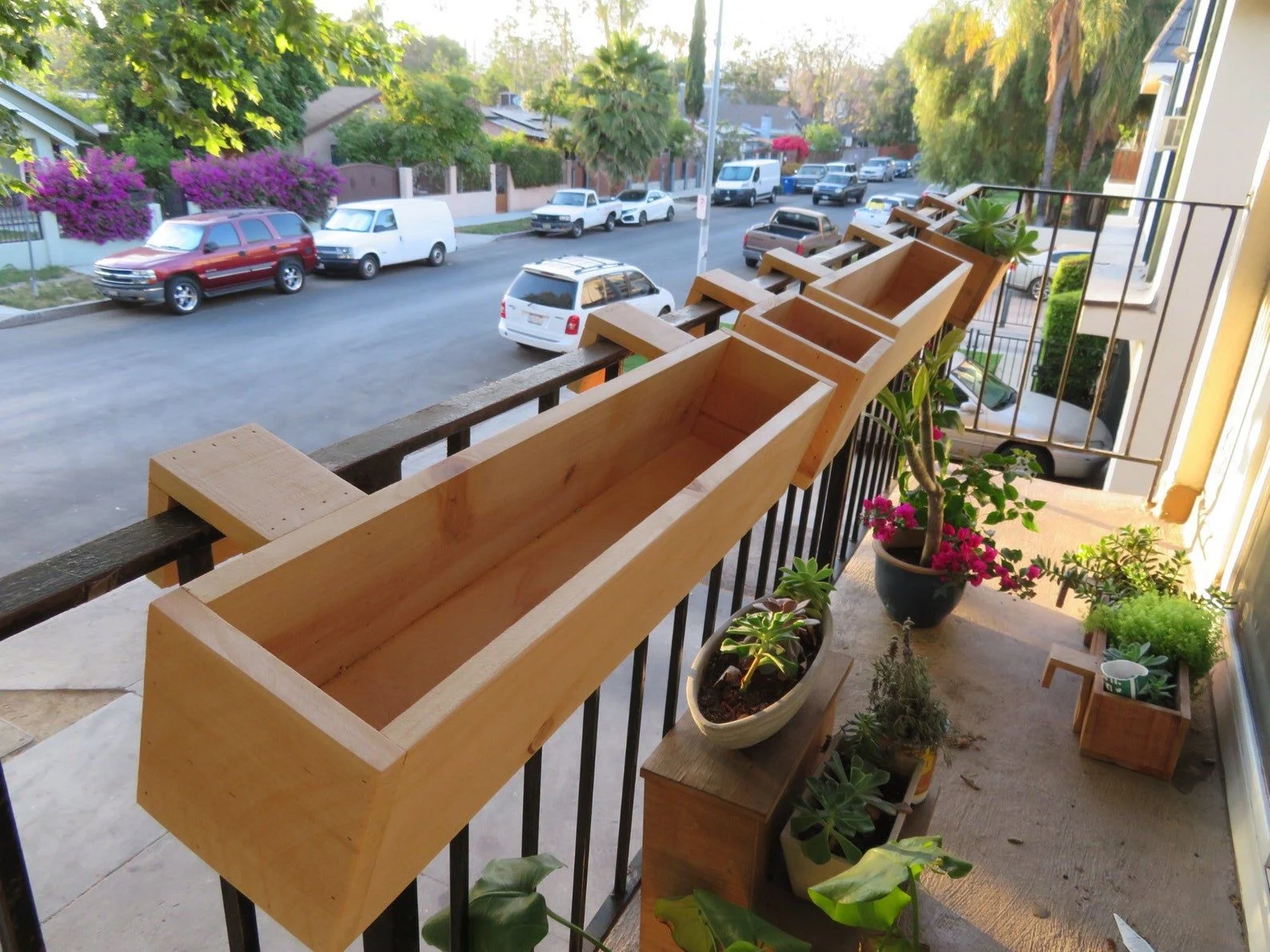
Is it safe to place a wooden planter on a balcony railing?
Only if the railing is designed to support additional weight. Check with your building manager or structural engineer before attaching planters to railings to avoid safety hazards.
How can I incorporate a minimalist look while using wooden planters?
Choose light‑stained or white‑washed wood, limit the plant count to one or two statement pieces, and keep accessories to a minimum. Pair the planters with sleek, monochrome cushions for a clean aesthetic.
For further inspiration on integrating greenery into tight spaces, see our guide on small living room sofa styling ideas. If you’re interested in budget‑friendly décor, explore affordable home styling inspiration. For a broader perspective on creating a cohesive interior, read how to decorate a minimalist home.
Balcony décor with wooden planters offers a rewarding blend of natural beauty and functional design. By selecting the right wood, curating complementary plants, and thoughtfully arranging accessories, you can create an outdoor retreat that reflects your personal style and enhances the overall feel of your home. Experiment with scale, texture, and lighting, and remember that maintenance is just as important as the initial aesthetic. With these strategies in place, your balcony will become a year‑round haven for relaxation, entertainment, and quiet contemplation.