
Table of Contents
- How to Decorate Home with Candles: A Step‑by‑Step Guide
- How to Decorate Home with Candles in the Living Room
- Choosing the Right Candle Types for Different Rooms
- Designing Candle Arrangements: Color, Texture, and Height
- Integrating Candles with Seasonal and Holiday Themes
- Safety First: Candle Best Practices for a Healthy Home
- Quick Home Décor Tips
- Common Mistakes When Decorating Home with Candles and How to Avoid Them
- Frequently Asked Questions
- Can I use candles in a bedroom without disturbing sleep?
- What is the best way to display candles on a mantle?
- How often should I trim candle wicks?
- Are LED candles a good alternative for safety?
- Can scented candles affect indoor air quality?
How to Decorate Home with Candles – A Complete Styling Guide
Candles have been a staple of interior ambience for centuries, yet their versatility often goes underappreciated in contemporary décor. Whether you’re seeking a subtle glow for a quiet evening or a bold focal point for a gathering, understanding how to decorate home with candles can transform any space without a major renovation. This article walks you through the essential principles, room‑specific ideas, and safety considerations that will let you harness the warm, inviting power of candlelight.
From the living room’s centerpiece arrangements to the understated elegance of bedroom bedside trays, candles can reinforce your design narrative while adding texture, scent, and a sense of calm. Throughout the guide, you’ll find actionable tips, quick‑win ideas, and common pitfalls to avoid, ensuring that every flicker contributes to a cohesive, modern aesthetic.
How to Decorate Home with Candles: A Step‑by‑Step Guide
Before you start placing candles, it helps to view them through the lens of design fundamentals. Begin by identifying the mood you want to evoke—romantic, serene, festive, or minimalist. Next, consider the scale of your space; larger rooms can handle taller pillars or clusters of candles, while compact apartments benefit from slim votives or tealight trays. Choose a color palette that complements existing textiles, wall paint, and accessories; neutral tones blend seamlessly, whereas bold hues can act as accent pieces.
Once you have a concept, select candle types that serve both functional and decorative purposes. Scented candles add olfactory depth, but they should be positioned where the fragrance can circulate without overwhelming the room. Unscented pillars or tapers work well in dining areas where food aromas dominate. Finally, think about the vessels—glass, metal, ceramic, or even reclaimed wood—all of which can become design statements in their own right.
How to Decorate Home with Candles in the Living Room
The living room is often the heart of the home, making it an ideal canvas for candle décor. Start by creating a layered arrangement on a coffee table or console. Place a larger pillar in the center, surrounded by smaller votives on a decorative tray. Adding a few natural elements—such as dried eucalyptus, polished river stones, or a sprig of rosemary—introduces texture and visual interest.
- Balance light and shadow: Position candles at varying heights to prevent a flat lighting effect.
- Use reflective surfaces: Mirrors or glass trays amplify the candle glow, making the room feel brighter.
- Coordinate with existing décor: If your sofa features teal accents, choose teal glass candle holders for harmony.
For a cohesive look, integrate candles with other lighting sources. Pair a candle cluster with a floor lamp that emits a warm, diffused light. The combined effect feels curated rather than accidental. For more inspiration on creating a soothing ambiance, see our guide on Calm Home Décor Ideas: Create a Serene Space.
Choosing the Right Candle Types for Different Rooms
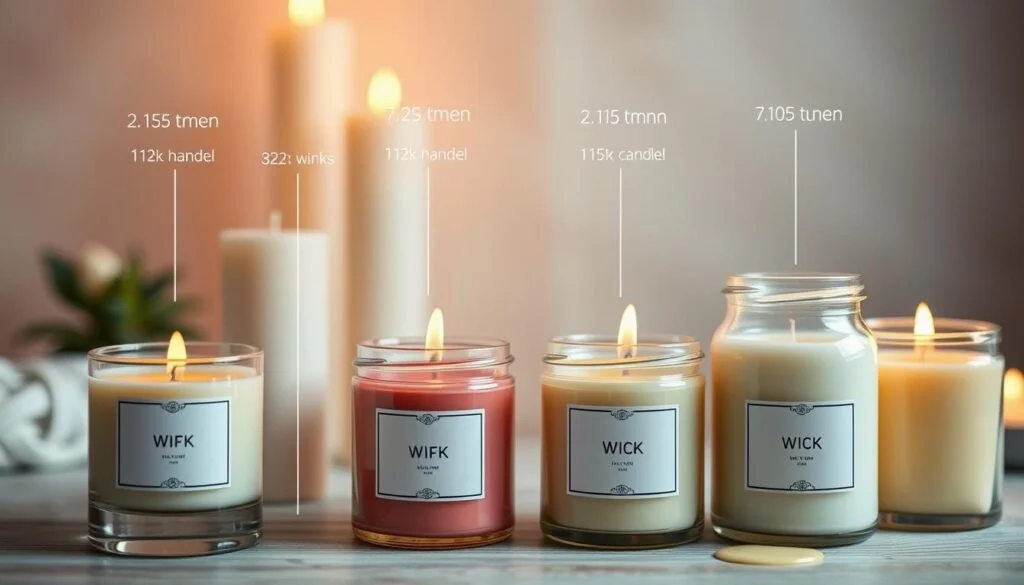
Each room serves a distinct purpose, and the candle style should reflect that function. In the kitchen, where open flames are generally discouraged, opt for flameless LED candles that mimic the soft flicker without safety concerns. In the bedroom, choose low‑smoke, low‑scent candles—such as soy or beeswax—to avoid disrupting sleep while still providing a gentle nightlight.
Bathrooms benefit from waterproof votives placed in glass containers; the moisture‑resistant design prevents damage and adds a spa‑like feel. Outdoor spaces call for wind‑proof lanterns or citronella candles, which double as insect repellents. By matching candle characteristics to each room’s demands, you ensure both aesthetic appeal and practical suitability.
Designing Candle Arrangements: Color, Texture, and Height
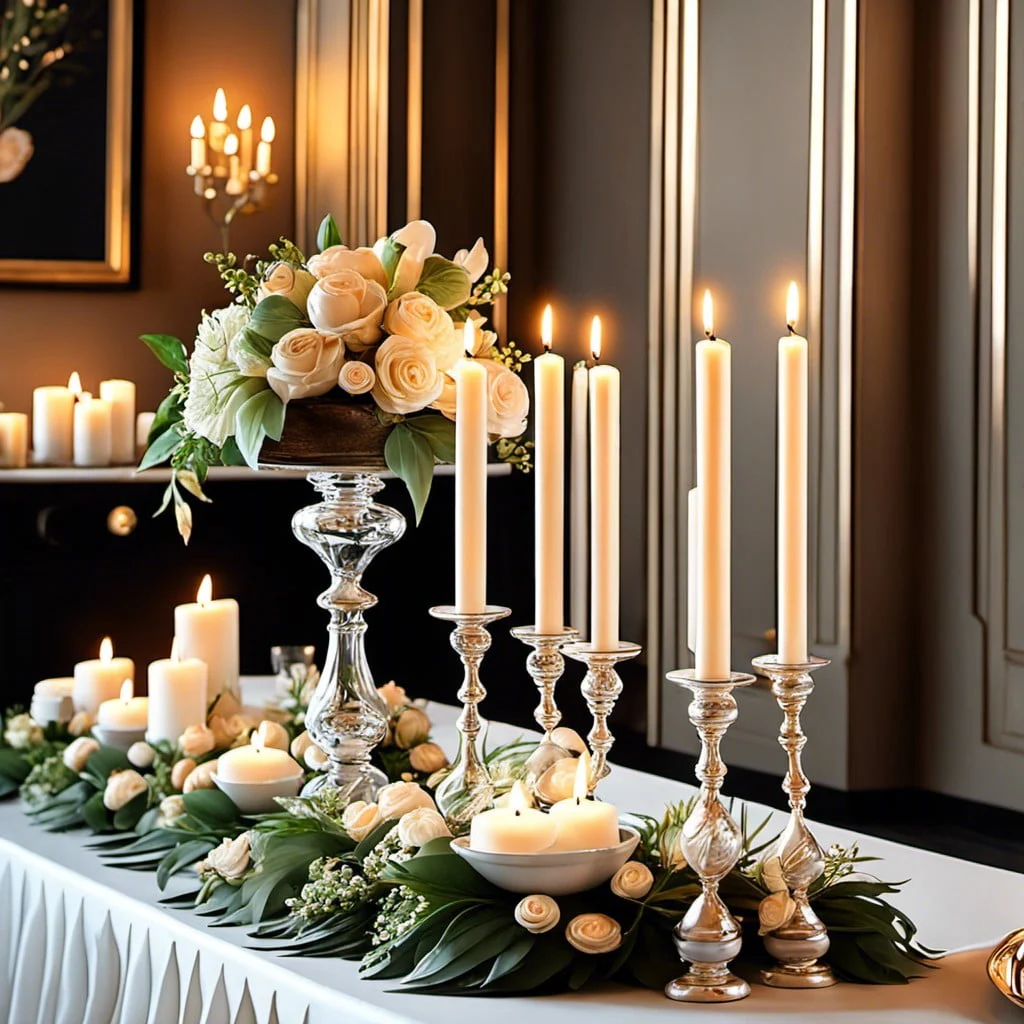
Effective candle styling hinges on three visual pillars: color, texture, and height. When it comes to color, monochrome schemes—like all‑white candles in sleek glass holders—create a minimalist vibe, while a mix of jewel tones can introduce drama. Texture plays a subtle yet powerful role; a matte ceramic holder juxtaposed with a polished metal base adds depth without overwhelming the eye.
Height variation prevents the arrangement from looking flat. Combine tall pillar candles (12‑18 inches) with short tealights (0.5‑1 inch) to produce a cascading effect. Grouping candles in odd numbers (three, five, or seven) feels naturally balanced, echoing nature’s tendency toward asymmetry. For a practical illustration, check out our article on Living Room Décor with Soft Throw Blankets – A Complete Styling Guide, where we pair candle clusters with plush textiles.
Integrating Candles with Seasonal and Holiday Themes
Seasonal décor offers an excellent opportunity to refresh your candle strategy without a full redesign. During autumn, opt for pumpkins, cinnamon‑scented candles, and deep amber holders to echo the season’s warmth. Winter celebrations can feature silver or frosted glass vessels, paired with pine‑scented candles and sprigs of evergreen for a festive feel.
Spring invites pastel hues and floral arrangements. Place delicate tea lights inside pastel ceramic cups and surround them with fresh blossoms for a light, airy tableau. Summer gatherings benefit from citronella candles in tiki torches or bamboo holders, creating both ambiance and insect protection. By rotating candle styles with the calendar, you keep the décor feeling fresh and intentional.
Safety First: Candle Best Practices for a Healthy Home
While candles enhance aesthetics, safety should never be an afterthought. Always place candles on heat‑resistant surfaces such as stone coasters, wooden trays, or ceramic plates. Keep wicks trimmed to ¼ inch to reduce soot and prevent uneven burning. Never leave a candle unattended, especially in homes with pets or small children.
Consider using candle snuffers instead of blowing out flames; this reduces smoke and preserves wax integrity. For high‑traffic areas, choose flameless LED alternatives that replicate the glow without fire risk. By following these guidelines, you enjoy the decorative benefits of candles while maintaining a secure environment.
Quick Home Décor Tips
- Pair candles with metallic accents (gold, copper) for instant elegance.
- Use scented candles sparingly—one or two per room—to avoid overpowering fragrances.
- Refresh candle holders each season by swapping fabrics, ribbons, or decorative stones.
- In small apartments, a single tall pillar on a side table can create a dramatic focal point without clutter.
- Combine candles with natural elements—branches, stones, shells—to add organic texture.
Common Mistakes When Decorating Home with Candles and How to Avoid Them
Even seasoned decorators can fall into a few pitfalls. The first is over‑crowding; placing too many candles on a surface can look chaotic and pose fire hazards. Instead, curate a few statement pieces and let negative space breathe. Second, neglecting scent coordination—mixing strong fragrances can become overwhelming. Stick to one or two complementary scents per room.
Third, ignoring scale. A tiny tealight on a massive coffee table feels out of place, just as a gigantic pillar in a narrow hallway can dominate the space. Always match the candle size to the furniture or area. Finally, forgetting to consider the candle’s flame direction; placing a candle too close to a reflective surface can cause glare. By addressing these issues early, your candle décor will feel intentional and refined.
Frequently Asked Questions
Can I use candles in a bedroom without disturbing sleep?
Yes, choose low‑scent, low‑smoke candles such as soy or beeswax with a short burn time. Place them on a nightstand away from the headboard, and keep the flame low to provide a gentle nightlight without disrupting rest.
What is the best way to display candles on a mantle?
Arrange candles of varying heights in a symmetrical or asymmetrical grouping. Use a decorative tray to contain wax drips, and incorporate complementary elements like small plants, picture frames, or decorative books for balance.
How often should I trim candle wicks?
Trim the wick to about ¼ inch before each lighting. This helps the candle burn evenly, reduces soot, and extends the candle’s overall life.
Are LED candles a good alternative for safety?
LED candles are excellent for high‑traffic areas, homes with pets, or for outdoor use where wind is a factor. Modern LED models mimic the flicker of real flame and can be paired with real candle holders for a seamless look.
Can scented candles affect indoor air quality?
Some scented candles, especially those made from paraffin, can release volatile organic compounds (VOCs). Opt for soy, beeswax, or coconut wax candles with natural essential oil fragrances to minimize indoor air impact.
Integrating candles into your home décor is more than just adding light; it’s about crafting an atmosphere that reflects your personality and lifestyle. By understanding the principles of scale, color, texture, and safety, you can confidently apply the ideas shared in this guide to any room—from the cozy bedroom nook to the bustling kitchen island. Remember to experiment, stay mindful of flame safety, and let your creativity glow.