
Table of Contents
- Understanding Sugar Stains and Why Prompt Action Matters
- Gathering the Right Tools Before You Begin
- Step‑by‑Step Process: How to Get Sugar Out of Carpet
- Step 1: Remove Excess Sugar Immediately
- Step 2: Apply a Cold Water Mist
- Step 3: Create a Mild Cleaning Solution
- Step 4: Gently Agitate the Fibers
- Step 5: Blot and Rinse
- Step 6: Dry Thoroughly
- Preventive Measures: Keeping Your Carpet Sugar‑Free
- Quick Tips for Immediate Sugar Stain Relief
- Common Mistakes and How to Avoid Them
- Frequently Asked Questions
Spilling a sweet treat on your carpet can feel like a mini disaster, especially when you love a tidy, well‑styled home. Sugar may look harmless, but once it dissolves into the fibers, it can attract insects, leave sticky residues, and even cause discoloration if not treated promptly. Knowing how to get sugar out of carpet is essential for anyone who wants to preserve the look and longevity of their flooring while maintaining a polished interior.
In this guide we’ll walk through the science behind sugar stains, the tools you should keep on hand, and a step‑by‑step process that works on both synthetic and natural fibers. Whether you’re living in a bustling family home, a sleek apartment, or a designer‑styled living room, the methods below fit any décor style and won’t compromise your design choices.
By the end of the article you’ll be equipped with practical, budget‑friendly techniques that protect your carpet’s texture and colour, and you’ll also learn how to prevent future sweet‑spill mishaps. Let’s dive into the details.
Understanding Sugar Stains and Why Prompt Action Matters
Sugar is hygroscopic, meaning it readily absorbs moisture from the air. When it lands on carpet, the granules can dissolve, creating a sticky film that penetrates deep into the pile. This film not only attracts dust and dirt but can also become a breeding ground for ants and other insects. The longer the sugar remains, the more likely it is to caramelize under heat or sunlight, leading to a stubborn brown mark.
Knowing how to get sugar out of carpet starts with recognizing the type of carpet you have. Synthetic fibers like nylon or polyester are more resistant to water‑based cleaning, while natural fibers such as wool require gentler, pH‑balanced solutions. Tailoring your approach to the material ensures you remove the residue without damaging the weave.
Gathering the Right Tools Before You Begin
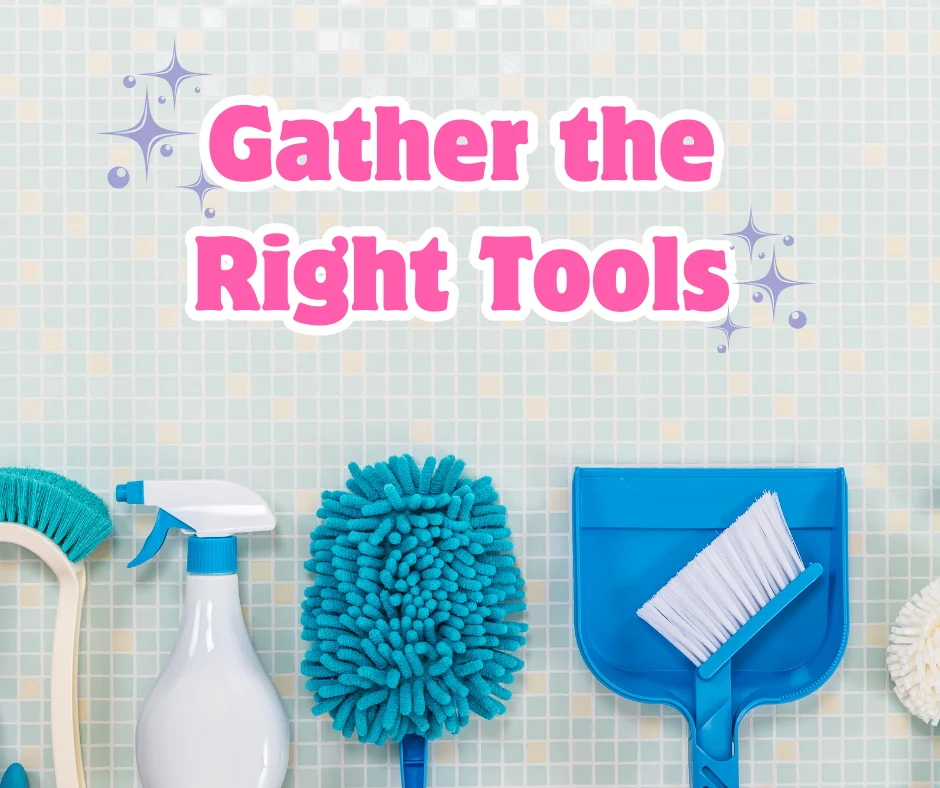
Having the proper supplies on hand saves time and prevents the need for multiple trips to the store. Below is a concise checklist of items that work well for most carpet types.
- Vacuum cleaner with a hose attachment
- White paper towels or clean microfiber cloths
- Room‑temperature water
- Mild liquid dish soap (e.g., Dawn)
- White vinegar or a commercial carpet‑cleaning solution (optional)
- Soft‑bristled brush or old toothbrush
- Spray bottle
- Dry towel or low‑heat fan for faster drying
These tools are also useful for other common household stains, so keeping them in a “cleaning caddy” is a smart home‑organization tip.
Step‑by‑Step Process: How to Get Sugar Out of Carpet
Step 1: Remove Excess Sugar Immediately
Use a vacuum or a dry paper towel to lift as much loose granules as possible. Avoid rubbing, as this can push the sugar deeper into the fibers. A gentle suction from the vacuum’s hose attachment works best for larger spills.
Step 2: Apply a Cold Water Mist
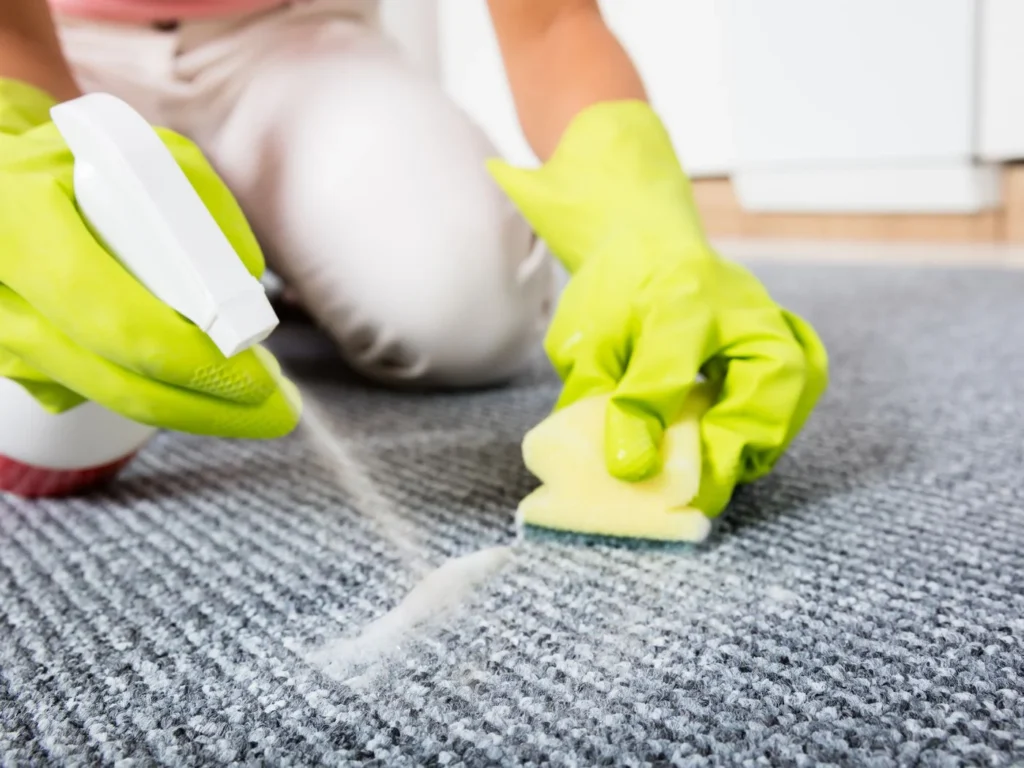
Fill a spray bottle with cold water and lightly mist the affected area. Cold water prevents the sugar from caramelizing and keeps the residue from setting. Let it sit for about 30 seconds, then blot with a clean white cloth.
Step 3: Create a Mild Cleaning Solution
Mix one teaspoon of mild liquid dish soap with two cups of warm (not hot) water. For wool carpets, substitute the soap with a few drops of a wool‑safe cleaner. Transfer the mixture to a spray bottle and apply a light mist over the stain.
Step 4: Gently Agitate the Fibers
Using a soft‑bristled brush, work the solution into the carpet pile with circular motions. This helps lift the dissolved sugar without grinding it further into the fibers. Keep the brush gentle to avoid fraying.
Step 5: Blot and Rinse
After a minute of agitation, blot the area with a fresh, damp microfiber cloth to absorb the soap and sugar solution. Follow with a second blot using a cloth dampened with plain water to rinse out any remaining soap. Excess moisture can be absorbed with dry towels or a low‑heat fan.
Step 6: Dry Thoroughly
Allow the carpet to air dry completely. If you’re in a humid environment, position a fan to circulate air and speed up drying. Avoid walking on the carpet until it’s fully dry to prevent re‑staining.
Following these steps ensures you effectively remove the sugary residue while preserving the integrity of the carpet’s design. For a similar approach to another sticky mess, see our guide on how to get lotion out of carpet.
Preventive Measures: Keeping Your Carpet Sugar‑Free
Prevention is often easier than remediation. Here are a few lifestyle tweaks that align with modern home‑organization principles.
- Designate a “snack zone” on a washable mat or tray near high‑traffic areas.
- Use clear, sealable containers for sugary snacks to reduce accidental spills.
- Place a small decorative rug or runner under coffee tables; it adds style and acts as a sacrificial layer.
- Regularly vacuum high‑traffic zones to remove dust that can trap sugary particles.
These strategies not only protect your carpet but also contribute to a cohesive aesthetic, especially when you pair them with ideas from our modern cozy living room lighting ideas guide.
Quick Tips for Immediate Sugar Stain Relief
- Act within 5 minutes – the faster you blot, the less the sugar will penetrate.
- Never use hot water on sugar stains; it accelerates caramelization.
- Test any cleaning solution on an inconspicuous spot first to ensure colourfastness.
- For stubborn residues, a 1:1 mix of white vinegar and water can break down stickiness.
- After cleaning, sprinkle a light layer of baking soda to absorb lingering moisture and odor.
Common Mistakes and How to Avoid Them
Even seasoned homeowners can slip up when dealing with sugar spills. Recognizing these pitfalls helps you stay ahead.
- Rubbing the stain – This pushes the sugar deeper, making it harder to extract.
- Using harsh chemicals – Bleach or ammonia can discolor carpet fibers, especially on wool.
- Skipping the rinse – Soap residue attracts dirt, creating a new stain.
- Leaving the area damp – Moist environments encourage mold growth and unpleasant smells.
By avoiding these errors, you keep your carpet looking fresh and maintain the overall harmony of your interior design.
Frequently Asked Questions
Can I use a steam cleaner to remove sugar from carpet?
Steam cleaners can be effective for deep cleaning, but they introduce high heat, which may cause sugar to caramelize and set. If you choose this method, ensure the steam is low‑temperature and follow up with a thorough blotting process.
Is it safe to use vinegar on colored carpets?
White vinegar diluted 1:1 with water is generally safe for most carpet colors, but always perform a spot test in an inconspicuous area first. Vinegar helps dissolve the sticky residue without leaving a noticeable scent once dried.
Will baking soda help lift sugar stains?
Baking soda is excellent for absorbing moisture after cleaning, but it does not break down the sugar itself. Use it as a finishing step to keep the carpet dry and fresh‑smelling.
How long does it take for a carpet to dry after cleaning?
Drying time varies with humidity and carpet thickness. In moderate conditions, expect 2‑4 hours. Using a fan or opening windows can cut the drying period in half.
Can professional carpet cleaners remove sugar stains better than DIY?
Professionals have access to specialized equipment and solutions that can deep‑clean without damaging fibers. However, most household sugar spills can be effectively treated with the steps outlined above, saving you time and money.
For more design inspiration, explore our article on living room décor with soft beige tones, which showcases how a clean, well‑maintained carpet can enhance a room’s overall ambience.
Keeping your carpet free from sugary mishaps is a small but impactful part of a larger home‑organization strategy. With the right tools, a prompt response, and an eye for detail, you can maintain a spotless surface that complements any interior style. Remember to incorporate preventive habits, stay consistent with regular vacuuming, and address spills as soon as they happen. Your carpet—and your peace of mind—will thank you.