
Table of Contents
- Why Simple Wall Décor with Macrame Works in Any Space
- Simple Wall Décor with Macrame: Key Design Principles
- Choosing the Right Macrame Piece for Each Room
- Living Room – Cozy Modern Inspiration
- Bedroom – Tranquil Retreat
- Bathroom – Moisture‑Friendly Accents
- Kitchen – Natural Texture Meets Functional Space
- Small Apartments – Maximizing Impact with Minimal Footprint
- DIY vs. Ready‑Made: Deciding What Works Best for You
- DIY Macrame: Personalization and Satisfaction
- Ready‑Made Macrame: Convenience and Professional Finish
- Quick Tips for Hanging Simple Wall Décor with Macrame
- Common Mistakes and How to Avoid Them
- Over‑Scaling the Space
- Clashing Colors and Patterns
- Improper Hanging Hardware
- Neglecting Maintenance
- Frequently Asked Questions
- Can I use macrame in a high‑humidity bathroom?
- How do I determine the right size for my wall?
- Is macrame suitable for children’s rooms?
- Do I need special tools to install macrame?
- Can I combine macrame with other wall art?
- How do I clean a macrame wall hanging?
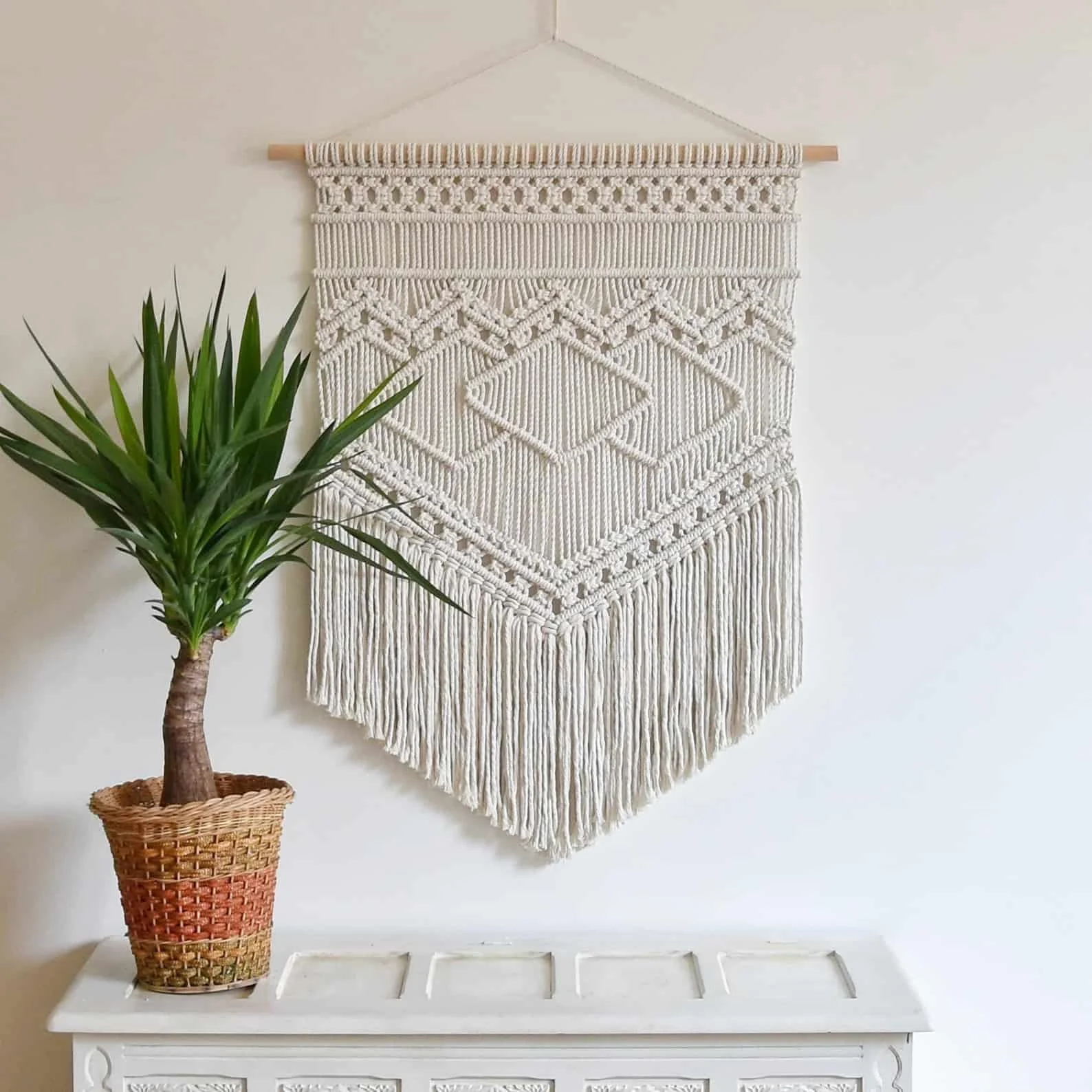
Macrame has moved far beyond its bohemian roots to become a versatile tool for modern interior styling. Whether you live in a compact apartment or a spacious house, the soft, hand‑knotted textures of macrame can instantly soften hard surfaces, add visual interest, and introduce a handcrafted feel that feels both timeless and fresh. This makes simple wall décor with macrame an attractive option for anyone looking to upgrade a room without a major renovation or a hefty budget.
In this article we’ll explore why macrame works so well on walls, walk through a variety of design ideas that fit different rooms and aesthetics, and give you a toolbox of tips, common pitfalls to avoid, and answers to the most frequently asked questions. By the end, you’ll feel confident selecting or even creating the perfect piece that transforms a blank wall into a focal point that speaks to your personal style.
Ready to bring texture, warmth, and a touch of artisanal charm into your home? Let’s dive into the world of simple wall décor with macrame and discover how a few knots can make a big impact.
Why Simple Wall Décor with Macrame Works in Any Space

Macrame’s appeal lies in its ability to blend seamlessly with a variety of interior design trends. Its natural fibers—cotton, hemp, jute, or even bamboo—add an organic texture that counters the sleek lines of contemporary furniture while complementing rustic or minimalist palettes alike. When used as simple wall décor with macrame, the pieces serve multiple functions: they are decorative art, acoustic dampeners, and subtle separators in open‑plan layouts.
Beyond aesthetics, macrame is lightweight, affordable, and easy to hang. A single piece can be mounted with a simple nail or a decorative hook, making it a low‑commitment solution for renters and homeowners alike. Moreover, the craft’s DIY nature encourages personalization; you can select colors, patterns, and sizes that reflect your unique taste, ensuring the décor feels authentic rather than generic.
Simple Wall Décor with Macrame: Key Design Principles
- Scale matters: Choose a size that matches the wall’s proportions. A large tapestry works well above a sofa, while a small 12‑inch panel fits nicely in a bathroom nook.
- Color harmony: Stick to neutral tones for a serene vibe or introduce a pop of color for a statement piece.
- Layering: Combine macrame with other wall elements—like framed art or floating shelves—for depth.
- Texture balance: Pair macrame with smooth surfaces (glass, metal) to highlight its tactile qualities.
Choosing the Right Macrame Piece for Each Room

Every room has its own functional and aesthetic demands, and the right macrame selection can amplify the intended mood. Below are curated suggestions for the most common spaces in a home.
Living Room – Cozy Modern Inspiration
A living room is often the heart of a home, where comfort and conversation converge. A medium‑sized macrame wall hanging placed above a sectional sofa creates a visual anchor without overwhelming the space. Opt for natural fibers in a muted gray or ivory to complement a warm living room design theme, letting the knots add subtle texture to the backdrop.
For a bolder approach, select a piece featuring a geometric pattern in contrasting colors—think white knots against a navy background. This not only adds personality but also subtly defines the seating area, especially in open‑plan layouts where room boundaries are fluid.
Bedroom – Tranquil Retreat
The bedroom calls for soothing elements that promote relaxation. A simple wall décor with macrame featuring soft, pastel hues works beautifully above the headboard, echoing the gentle colors of bedding and curtains. Choose a design with a mix of open weave and tighter knotting to create a gentle play of light and shadow, fostering a calm atmosphere.
If you enjoy a minimalist aesthetic, a single‑strand, monochrome macrame panel can serve as a subtle focal point without competing with other décor items. Pair it with low‑profile nightstands and simple lighting to maintain a clean, uncluttered look.
Bathroom – Moisture‑Friendly Accents
Bathrooms are often overlooked when it comes to wall art, but macrame can add a spa‑like quality when treated correctly. Select a piece made from quick‑drying synthetic fibers or treated cotton that resists humidity. A narrow, vertical macrame runner placed near the vanity adds a decorative element while also providing a visual break from tile or stone.
Combine the macrame with a set of ceramic décor trays for functional storage of toiletries, creating a cohesive look that feels both curated and practical.
Kitchen – Natural Texture Meets Functional Space
Even in the heart of the home, a dash of macrame can soften the industrial feel of stainless steel appliances. Hang a small, rectangular macrame panel near an open shelving unit to add warmth without obstructing workflow. Choose earth tones that echo wooden cutting boards and natural stone countertops.
For those who love a cohesive design narrative, see our article on kitchen décor with natural textures, where macrame is featured alongside reclaimed wood and woven baskets for a unified, organic look.
Small Apartments – Maximizing Impact with Minimal Footprint
Compact living spaces benefit from décor that creates the illusion of depth. A long, horizontally‑oriented macrame piece can visually widen a narrow wall, while its open weave allows light to pass through, preventing the room from feeling closed off. Pair it with a light‑colored wall paint to amplify the airy sensation.
When floor space is at a premium, consider a macrame wall pocket—essentially a small, hanging organizer made from macrame that doubles as storage for keys, scarves, or earbuds. This merges décor with utility, a hallmark of smart small‑space design.
DIY vs. Ready‑Made: Deciding What Works Best for You

One of the joys of macrame is that it can be both a DIY project and a ready‑made purchase. Understanding the advantages of each approach helps you decide which route aligns with your budget, skill level, and timeline.
DIY Macrame: Personalization and Satisfaction
Creating your own simple wall décor with macrame gives you control over size, color, and pattern. Basic macrame kits are inexpensive, often under $30, and include all the necessary cords, a wooden dowel, and a step‑by‑step guide. The learning curve is modest—after mastering a few fundamental knots (square knot, half hitch, spiral knot), you can experiment with more intricate designs.
Benefits of DIY include:
- Customization: Tailor the piece to fit an exact wall dimension.
- Cost‑effectiveness: Materials are generally cheaper than buying a finished piece.
- Creative fulfillment: The act of making something yourself adds emotional value.
If you’re new to macrame, start with a simple pattern and gradually increase complexity. Numerous online tutorials and video guides can walk you through each step, ensuring a smooth learning experience.
Ready‑Made Macrame: Convenience and Professional Finish
Purchasing a ready‑made macrame wall hanging is ideal when time is limited or when you desire a polished, professional look. Retailers and boutique shops often curate collections that reflect current trends, such as oversized plant‑hangers or minimalist line art.
Key considerations when buying:
- Material quality: Look for sustainably sourced fibers like organic cotton or hemp.
- Size accuracy: Verify dimensions before ordering to ensure a proper fit.
- Return policy: Choose sellers with flexible returns in case the piece doesn’t match your expectations.
Even when opting for a pre‑made piece, you can still add a personal touch by mounting it on a reclaimed wood frame or pairing it with custom lighting.
Quick Tips for Hanging Simple Wall Décor with Macrame
- Use a level and a stud finder to ensure the hanging point is straight and secure.
- For heavier pieces, anchor the dowel with two screws rather than a single nail.
- Leave a small gap (about 2‑3 inches) between the macrame and the ceiling to avoid a cramped look.
- If you want to change the piece often, install a removable command hook to protect the wall.
- Consider adding a back‑lighting strip for a dramatic glow that highlights the knotwork.
Common Mistakes and How to Avoid Them
Even seasoned decorators can stumble when integrating macrame into a room. Below are frequent errors and practical solutions.
Over‑Scaling the Space
Choosing a macrame piece that is too large can dominate a modest wall, making the room feel smaller. Measure your wall space and aim for a piece that occupies roughly 30‑40% of the wall width. If you love a larger design, break it into multiple smaller panels to create a gallery effect.
Clashing Colors and Patterns
A macrame piece should complement, not compete with, existing décor. If your furniture is already patterned, opt for a neutral macrame color palette. Conversely, if the room features solid colors, a bold, patterned macrame can serve as an eye‑catching accent.
Improper Hanging Hardware
Using flimsy hooks or nails can cause the macrame to sag or, worse, fall. Invest in sturdy hardware—preferably a metal hook with a weight rating that exceeds the piece’s weight by at least 20%.
Neglecting Maintenance
Macrame, especially cotton, can collect dust. Regularly dust the piece with a soft brush or use a handheld vacuum on low suction. For fabric fibers, a gentle steam clean once a year can revive its softness.
Frequently Asked Questions
Can I use macrame in a high‑humidity bathroom?
Yes, but choose synthetic or treated natural fibers that resist moisture. Avoid untreated cotton in constantly steamy environments, as it can develop mildew over time.
How do I determine the right size for my wall?
Measure the width of the wall area you intend to cover. A good rule of thumb is to select a piece that occupies about one‑third to half of the wall’s width, leaving space around it for breathing room.
Is macrame suitable for children’s rooms?
Absolutely. Opt for softer fibers and avoid small dangling pieces that could pose a choking hazard. Simple, playful patterns in bright colors can add a whimsical touch to a kid’s space.
Do I need special tools to install macrame?
No special tools are required beyond a hammer, level, and possibly a stud finder. If you’re using a heavy piece, a drill for pilot holes can provide extra security.
Can I combine macrame with other wall art?
Yes. Pairing macrame with framed prints, mirrors, or floating shelves creates a layered look that adds depth and interest. Keep the overall color scheme cohesive to avoid visual clutter.
How do I clean a macrame wall hanging?
Dust regularly with a soft brush. For deeper cleaning, spot‑test a mild detergent diluted in water on an inconspicuous area, then gently hand‑wash the spot and air‑dry.
Embracing simple wall décor with macrame is a low‑cost, high‑impact strategy for anyone seeking to refresh their home’s aesthetic. Whether you hang a hand‑knotted panel above your sofa, add a subtle runner in the bathroom, or craft your own piece for a personal touch, macrame brings texture, warmth, and a sense of craftsmanship that resonates across design styles. Remember to consider scale, color harmony, and proper mounting, and you’ll enjoy a beautifully styled space that feels both modern and inviting.