
Table of Contents
- Embracing kitchen décor with natural textures
- Choosing kitchen décor with natural textures for a timeless look
- Wood: The Heartbeat of Natural Kitchen Styling
- Stone & Concrete: Rugged Elegance
- Textile Touches: Woven Baskets, Linen, and Natural Fibers
- Metal Accents: Adding Subtle Shine
- Greenery: Living Textures in the Kitchen
- Quick Home Décor Tips
- Common Mistakes to Avoid
- Frequently Asked Questions
[CONTENT]:
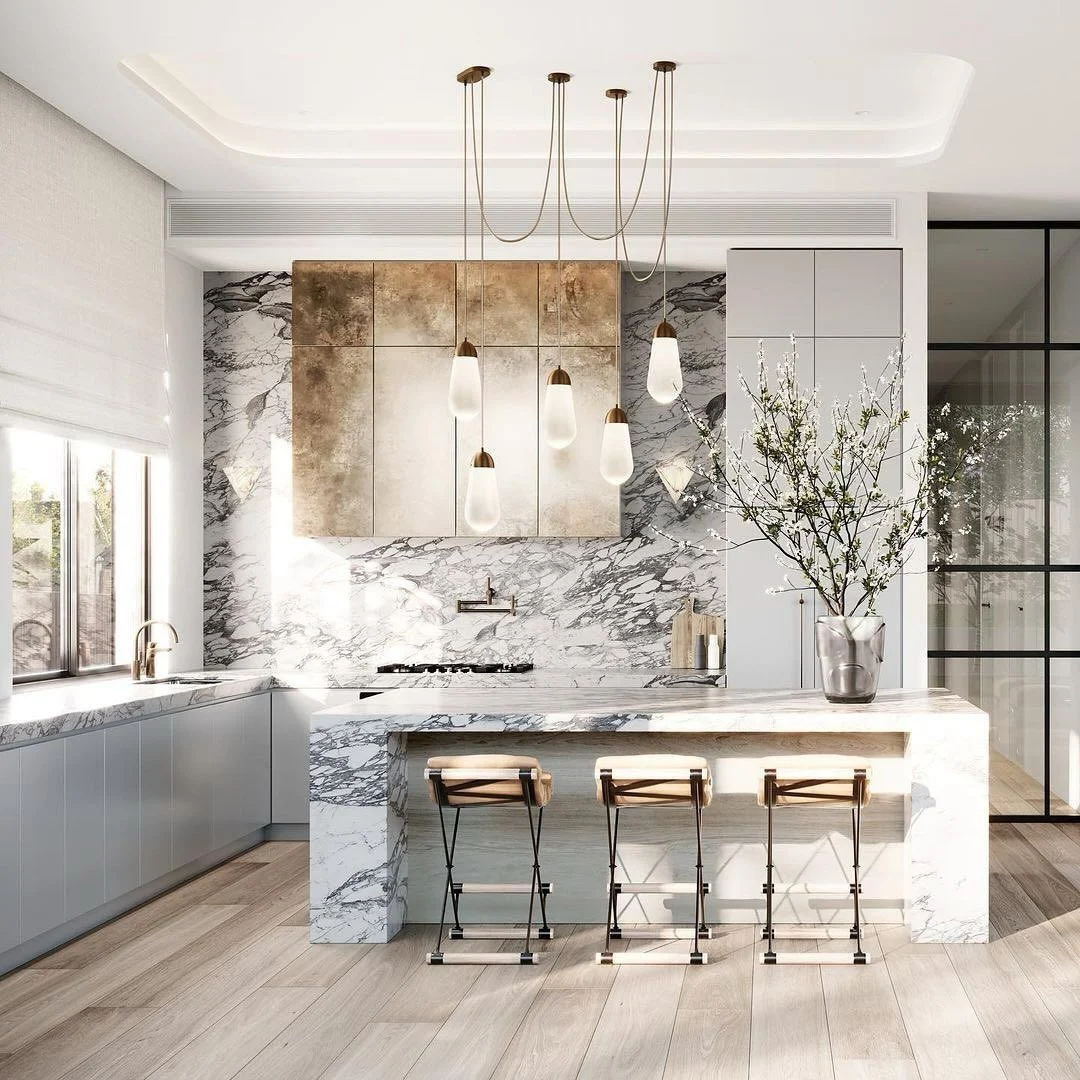
Bringing the outdoors inside has become a hallmark of contemporary kitchen design. When you incorporate natural textures—think reclaimed wood, stone, woven baskets, and raw metals—the space feels both grounded and inviting. Homeowners appreciate that these elements not only add visual interest but also create a tactile experience that elevates everyday cooking and gathering.
In this article, we’ll explore how to blend natural materials seamlessly with modern functionality. You’ll learn which textures work best in various kitchen zones, how to balance them with color and lighting, and practical ways to maintain a cohesive look without overwhelming the room. Whether you’re renovating a large family kitchen or refreshing a compact apartment space, these insights will help you achieve a harmonious, lived‑in feel.
Embracing kitchen décor with natural textures
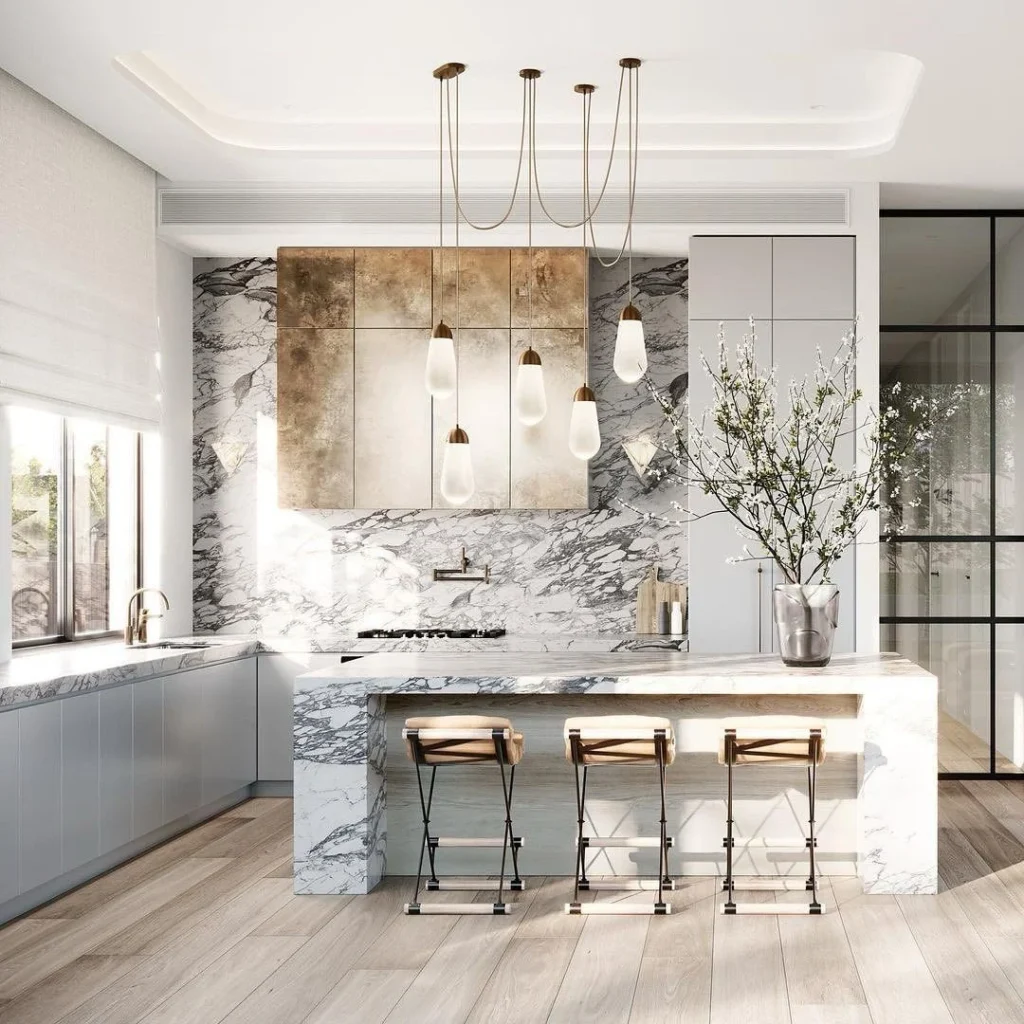
Natural textures provide a subtle yet powerful backdrop for any kitchen style. By selecting materials that age gracefully—like a weathered timber countertop or a slate backsplash—you create a story that evolves over time. These surfaces also pair beautifully with sleek appliances, allowing the organic elements to become the focal point without competing with modern hardware.
When planning kitchen décor with natural textures, start by identifying the dominant texture you want to showcase. A single statement piece, such as a reclaimed wood island, can anchor the room, while smaller accents—think rope handles on drawers or woven linen window treatments—add layers of depth. The key is to maintain balance: let one texture dominate and support it with complementary, less dominant finishes.
Choosing kitchen décor with natural textures for a timeless look
Timelessness in kitchen design often stems from simplicity and authenticity. Opt for textures that reflect nature’s raw beauty rather than overly processed looks. For example, a hand‑finished wooden cutting board displayed on a wall rack not only serves a functional purpose but also adds a warm, organic element that ages beautifully.
Pairing these textures with a neutral palette—soft creams, muted greys, or earthy greens—ensures the natural elements remain the star. If you enjoy a pop of color, introduce it through accessories like ceramic dishes or vibrant plant pots, keeping the overall vibe grounded in nature.
Wood: The Heartbeat of Natural Kitchen Styling
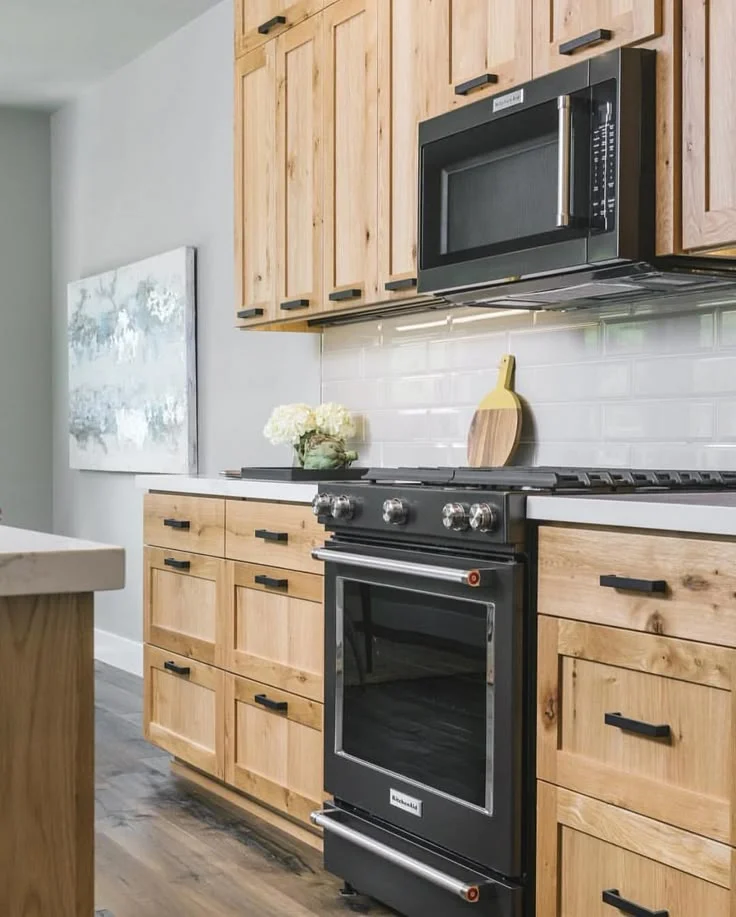
Wood is perhaps the most versatile natural material for kitchen décor. From light maple cabinets to deep walnut countertops, each wood species brings its own grain pattern and hue, adding character and warmth. Reclaimed wood, in particular, offers a sustainable option that tells a story of reuse and resilience.
- Cabinetry: Choose shaker‑style doors with a clear, matte finish to highlight the grain.
- Island or Table: A solid wood island can serve as both a prep area and a casual dining spot.
- Shelving: Open floating shelves made from reclaimed planks provide display space for dishes and plants.
To protect wood surfaces, use food‑safe finishes and avoid excessive moisture. Regular oiling helps maintain luster and prevents cracking, ensuring that your kitchen décor with natural textures remains vibrant for years.
Stone & Concrete: Rugged Elegance
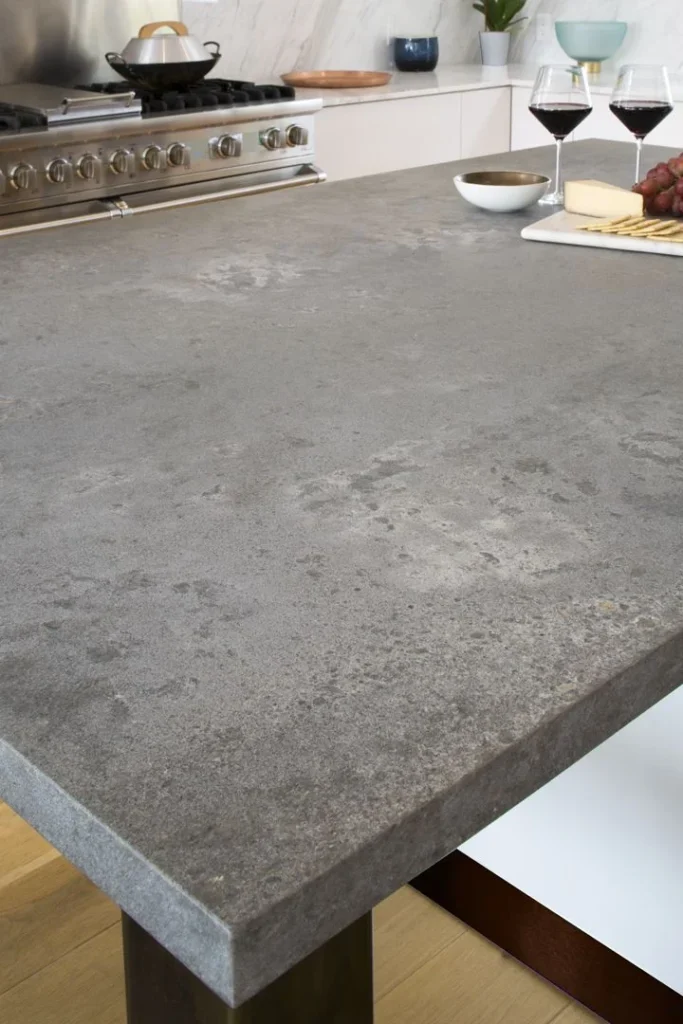
Stone surfaces, whether marble, quartzite, or river rock, bring a sense of permanence and luxury. Their natural veining creates subtle patterns that vary from slab to slab, making each installation unique. Concrete countertops, when sealed properly, offer a sleek, industrial look while still feeling organic.
When incorporating stone:
- Use a light‑colored stone for a bright, airy feel, especially in smaller kitchens.
- Combine stone backsplashes with wood cabinets for a balanced contrast.
- Consider a polished concrete floor with radiant heating for comfort and durability.
Stone is naturally heat‑resistant, making it ideal for baking stations, yet it requires periodic sealing to prevent staining from spills.
Textile Touches: Woven Baskets, Linen, and Natural Fibers
Soft textures add a comforting layer to the harder surfaces of a kitchen. Woven baskets can store produce or pantry items while adding visual interest. Linen curtains or tea‑towel sets bring a breezy, relaxed vibe that complements wood and stone alike.
To integrate textiles effectively:
- Choose baskets made from seagrass or rattan for durability.
- Layer a linen runner on a wooden countertop for a subtle pop of texture.
- Hang a set of natural fiber potholders near the stove for both function and style.
These textile elements are easy to swap out seasonally, allowing you to refresh the look without a major overhaul.
Metal Accents: Adding Subtle Shine
Metal finishes—copper, brushed brass, matte black—provide a gentle gleam that pairs nicely with natural textures. A copper pot rack, brass faucet, or matte black light fixtures can act as understated highlights that draw the eye without overpowering the organic feel.
When selecting metal accents, keep the scale in mind. A single copper pendant light above a wooden island can become a focal point, while smaller brass knobs on drawers add understated elegance. Mixing metals is acceptable, but stick to a consistent tone palette to avoid visual clutter.
Greenery: Living Textures in the Kitchen
Plants are the ultimate natural texture, bringing movement, color, and fresh air. Herbs like basil, rosemary, and mint thrive on sunny windowsills, while larger potted plants can be placed on open shelves or the floor. The organic forms of leaves and stems echo the natural materials used elsewhere in the kitchen.
Integrating greenery:
- Use ceramic pots with a neutral glaze to keep the focus on the plant.
- Hang a small macramé planter for a boho touch.
- Group different leaf shapes for visual variety.
For more ideas on how plants can transform a space, read our guide on Simple Modern Home Décor with Plants: Fresh Ideas for Every Room.
Quick Home Décor Tips
- Start with one dominant natural texture and build around it.
- Balance warm wood tones with cool stone or concrete to avoid a heavy feel.
- Use low‑maintenance plants like succulents for easy upkeep.
- Incorporate metal accents sparingly for subtle contrast.
- Keep countertop clutter to a minimum; let texture shine.
Common Mistakes to Avoid
Even with the best intentions, it’s easy to overdo natural textures. Here are pitfalls to watch out for:
- Mixing too many raw finishes: A kitchen overloaded with wood, stone, metal, and textile can feel chaotic. Choose one or two primary textures and use the others as accents.
- Neglecting maintenance: Natural materials need care—regular sealing for stone, oiling for wood, and proper watering for plants.
- Ignoring scale: Large wooden cabinets paired with a massive stone island can overwhelm a small space. Scale elements to the room’s dimensions.
- Choosing the wrong lighting: Harsh fluorescent lighting can diminish the warmth of natural textures. Opt for warm LED bulbs or pendant lighting.
Frequently Asked Questions
Can I use reclaimed wood in a modern kitchen?
Absolutely. Reclaimed wood adds character while fitting contemporary aesthetics. Pair it with sleek hardware and neutral tones for a balanced look.
What is the best way to protect a stone countertop?
Seal the stone with a high‑quality penetrative sealant and reapply annually. Wipe spills promptly to prevent staining.
How do I keep my kitchen looking cohesive when mixing textures?
Choose a unifying color palette—typically neutrals—and repeat one or two accent colors in accessories. This creates visual harmony despite varied materials.
Are natural textures suitable for small kitchens?
Yes, when used thoughtfully. Light‑colored wood, thin stone backsplashes, and vertical plant installations can add depth without crowding the space.
What are low‑maintenance natural materials?
Concrete countertops, sealed quartzite, and bamboo flooring require minimal upkeep while still delivering the desired organic feel.
For additional inspiration on coordinating colors and textures, explore our article on Kitchen Décor with Neutral Dishware – Timeless Styling Ideas. If you’re interested in how natural textures can influence adjacent rooms, the Warm Living Room Design Ideas – Cozy Modern Inspiration provides great cross‑room styling cues.
Incorporating natural textures into your kitchen décor creates a space that feels both timeless and inviting. By selecting a primary material—whether wood, stone, or woven fibers—and complementing it with thoughtful accents, you can achieve a balanced, tactile environment that encourages cooking, conversation, and relaxation. Remember to maintain the textures through proper care, scale elements appropriately, and keep a cohesive color scheme. With these strategies, your kitchen will become a harmonious blend of nature and modern design, reflecting the essence of contemporary home living.