
Table of Contents
- Understanding the Basics: What Does 80 CFM vs 110 CFM Really Mean?
- 80 CFM vs 110 CFM: Performance Factors to Consider
- Where 80 CFM Shines: Ideal Scenarios for Lower Airflow
- Why 110 CFM May Be the Better Choice for Busy Spaces
- Energy Efficiency: Balancing Performance with Sustainability
- Acoustic Considerations: Keeping Your Space Quiet
- Installation Tips: Getting the Most Out of 80 CFM vs 110 CFM
- Quick Home Décor Tips for Integrating Fans Seamlessly
- Common Mistakes to Avoid When Choosing Between 80 CFM and 110 CFM
- Frequently Asked Questions
- What is the recommended CFM for a standard 5‑by‑7 foot bathroom?
- Can I install a 110 CFM fan in a room that only needs 80 CFM?
- How does duct material affect fan performance?
- Is a higher CFM fan always more energy‑intensive?
- Should I pair a bathroom fan with a light?
- What maintenance does an 80 CFM or 110 CFM fan require?
When it comes to keeping a home comfortable and healthy, proper ventilation often flies under the radar. Whether you’re refreshing a cramped bathroom, updating a kitchen range hood, or fine‑tuning a whole‑house air‑exchange system, the airflow rating—measured in cubic feet per minute (CFM)—plays a decisive role. Two common ratings you’ll encounter are 80 CFM and 110 CFM, and understanding the nuances between them can mean the difference between a stale room and a fresh, well‑balanced space.
Homeowners, renters, and interior‑design enthusiasts alike benefit from grasping how these numbers translate into real‑world performance. An 80 CFM fan may be perfectly adequate for a small powder room, while a 110 CFM unit could be the sweet spot for a larger master bath or a compact kitchen where odors and moisture build up quickly. This article walks you through the technical basics, practical applications, and design considerations so you can make an informed decision that aligns with both function and style.
Beyond the numbers, we’ll explore how airflow interacts with modern décor trends, energy efficiency, and even acoustic comfort. By the end, you’ll have a clear roadmap for choosing the right fan, installing it seamlessly, and integrating it into a cohesive interior‑design plan.
Understanding the Basics: What Does 80 CFM vs 110 CFM Really Mean?
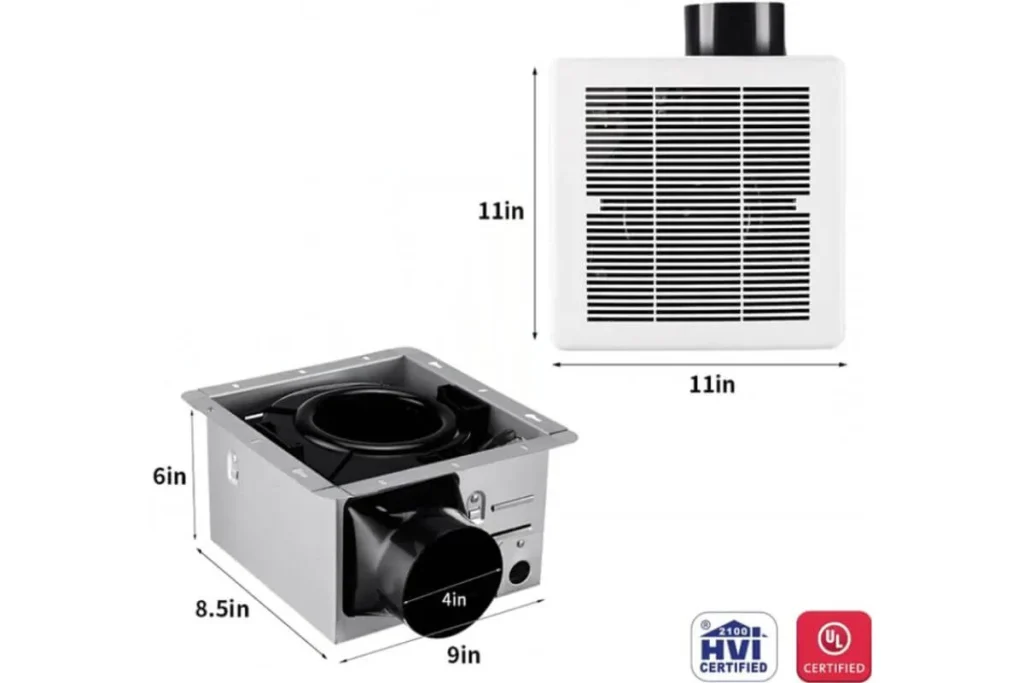
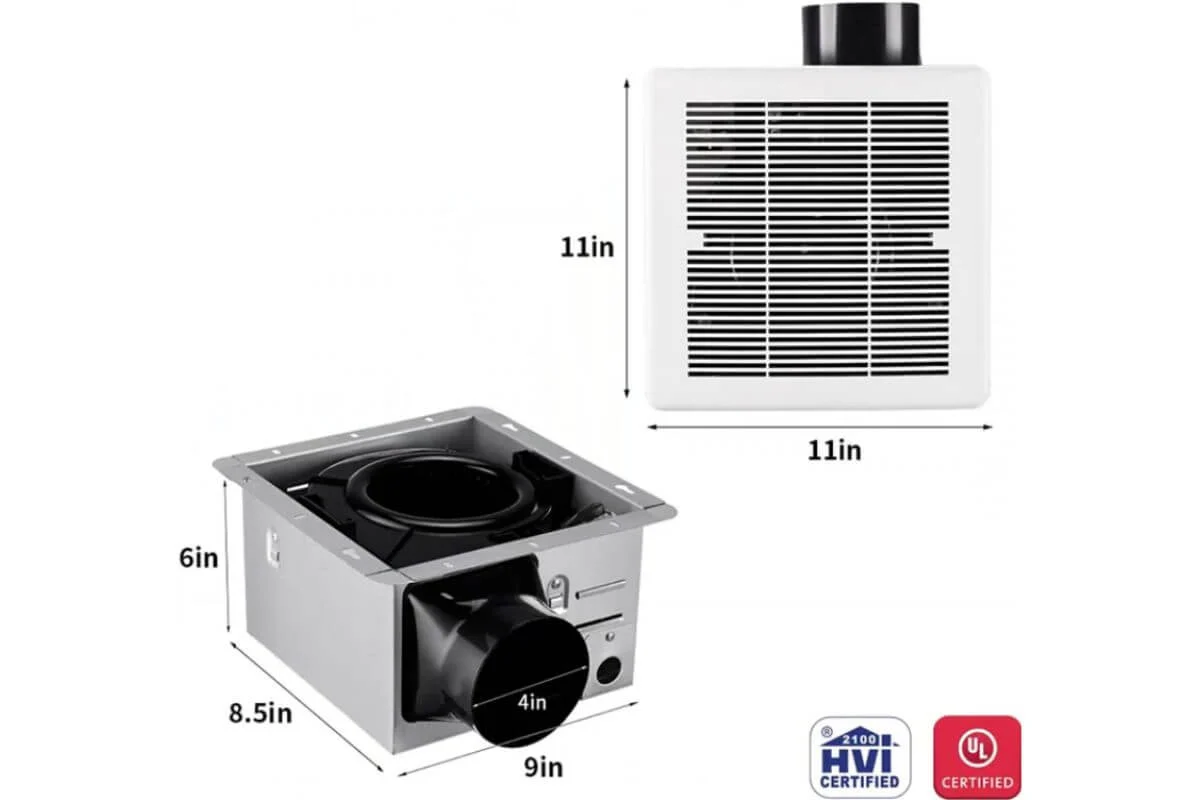
CFM, or cubic feet per minute, quantifies the volume of air a fan moves. An 80 CFM fan pushes 80 cubic feet of air every minute, while a 110 CFM fan moves 110 cubic feet in the same time frame. The higher the CFM, the greater the airflow, which directly impacts moisture removal, odor control, and overall indoor air quality.
In practical terms, an 80 CFM fan is often recommended for spaces up to 50 square feet with a ceiling height of 8 feet, assuming a standard 8‑inch duct. A 110 CFM fan can comfortably handle rooms up to 80 square feet under the same conditions. However, the exact suitability depends on several variables, such as duct length, the number of bends, and the presence of insulation.
80 CFM vs 110 CFM: Performance Factors to Consider
- Room Size: Larger rooms generally need higher CFM to achieve the recommended air changes per hour (ACH).
- Ductwork Length: Longer ducts and multiple turns reduce effective airflow, often necessitating a higher CFM rating.
- Moisture Load: Bathrooms with showers or tubs generate more steam, making 110 CFM a safer bet for preventing mold.
- Noise Level: Higher CFM fans can be louder; choosing a model with good sound‑rating (Sones) is essential for comfort.
Where 80 CFM Shines: Ideal Scenarios for Lower Airflow
Choosing an 80 CFM fan isn’t a compromise; it’s a strategic decision for certain environments. Small powder rooms, half‑bath closets, and modestly sized utility rooms often fall within the optimal range for 80 CFM. Because these spaces generate less moisture and odor, a lower airflow rate efficiently clears the air without over‑ventilating, which can lead to unnecessary energy consumption.
From a design perspective, 80 CFM fans tend to be more compact, allowing for sleeker housing options that blend seamlessly with modern bathroom décor. You can select a fan with a decorative grille that matches chrome fixtures or even a minimalist white cover that disappears into the ceiling. Pairing an 80 CFM fan with a moisture‑sensing switch ensures the fan runs only when needed, preserving both energy and acoustic serenity.
For those looking for inspiration on how a well‑chosen fan can complement bathroom aesthetics, see our guide on bathroom décor with simple shelf styling. The article demonstrates how functional elements like fans can become subtle design statements.
Why 110 CFM May Be the Better Choice for Busy Spaces
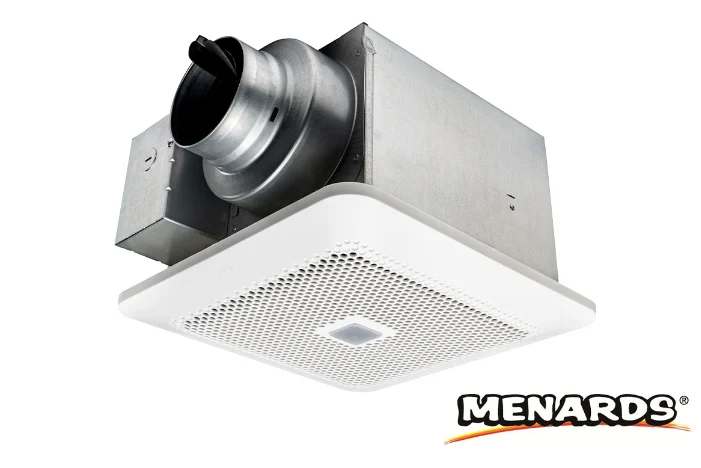
When a room experiences high humidity, strong cooking odors, or frequent use, the extra 30 CFM offered by a 110 CFM fan can dramatically improve comfort. In master bathrooms with separate tubs and showers, the steam load can quickly exceed the capacity of an 80 CFM unit, leading to lingering condensation on mirrors and potential mold growth. A 110 CFM fan removes that moisture more swiftly, keeping surfaces dry and extending the life of tiles and grout.
In kitchen applications, a 110 CFM range hood can handle the fumes from sautéing, frying, and grilling better than a lower‑rated model. This not only improves indoor air quality but also reduces the chances of greasy buildup on cabinets and walls—a common concern in modern open‑concept designs.
If you’re renovating a space with a contemporary aesthetic, consider a 110 CFM fan that features a brushed‑nickel or matte‑black finish. These finishes pair beautifully with the sleek lines and monochrome palettes popular in today’s interior design. For a deeper dive into how to balance function and style in a bathroom, read our comparison of Kohler Elmbrook Toilet vs Cimarron, which touches on the importance of matching fixtures to overall design intent.
Energy Efficiency: Balancing Performance with Sustainability

Higher airflow often translates to higher power draw, but technology has narrowed the gap. Modern EC (electronically commutated) motors deliver 110 CFM while consuming the same or less electricity than older AC (capacitor) motors that only achieve 80 CFM. Look for ENERGY STAR‑rated fans; they guarantee a minimum efficiency level and often include variable‑speed options that let you dial down airflow when full power isn’t required.
Variable‑speed fans give you the best of both worlds: a higher CFM setting for shower or cooking peaks, and a lower setting for routine ventilation. This flexibility can cut annual energy usage by up to 30 percent, especially in homes where the fan runs for extended periods each day. Additionally, pairing a high‑efficiency fan with a humidity sensor ensures the unit only operates when moisture levels rise, further reducing waste.
Acoustic Considerations: Keeping Your Space Quiet
Noise is a critical factor in fan selection, particularly for bedrooms and home offices where a quiet environment is prized. A fan’s sound level is measured in sones; lower numbers mean quieter operation. Interestingly, a well‑engineered 110 CFM fan can be as quiet as—or quieter than—an 80 CFM model, thanks to advanced aerodynamic blade designs and insulated housings.
If acoustic performance is a priority, seek fans that advertise a sone rating of 1.0 or lower. Installing the fan on a ceiling with acoustic tiles or adding a vibration‑isolating mounting bracket can also diminish transmission of sound through the structure. For a broader perspective on creating peaceful home environments, explore our article on Cozy Office Corner Décor Ideas, which discusses how sound‑absorbing materials can enhance overall comfort.
Installation Tips: Getting the Most Out of 80 CFM vs 110 CFM
Proper installation maximizes a fan’s rated performance. Follow these best practices to ensure your chosen 80 CFM or 110 CFM fan operates at peak efficiency:
- Measure Duct Length Accurately: Use straight, short runs whenever possible. Each 90‑degree bend adds roughly 0.5 CFM loss.
- Seal All Joints: Apply foil-backed tape or mastic to prevent air leaks that degrade airflow.
- Choose the Right Housing: Match the fan’s housing size to the duct diameter; mismatched sizes cause turbulence.
- Include a Backdraft Damper: This prevents outdoor air from re‑entering when the fan is off.
- Test Airflow After Installation: Use an anemometer or a simple tissue test to confirm proper suction.
Remember that local building codes often dictate minimum ventilation rates for bathrooms and kitchens. Verify compliance before finalizing your installation to avoid costly retrofits.
Quick Home Décor Tips for Integrating Fans Seamlessly
- Choose a fan grille that mirrors other metal finishes in the room, such as faucet hardware or lighting fixtures.
- Install a recessed lighting fixture around the fan to create a cohesive ceiling design.
- Opt for a fan with a built‑in LED light to reduce the need for separate vanity lighting.
- Use paint‑matched trim around the ceiling cutout to make the fan appear as an integrated part of the architecture.
Common Mistakes to Avoid When Choosing Between 80 CFM and 110 CFM
Even seasoned DIYers can slip up. Here are frequent errors and how to sidestep them:
- Undersizing the Fan: Selecting an 80 CFM unit for a large master bath often leads to persistent humidity and mold risks. Always calculate the required ACH based on room dimensions.
- Ignoring Duct Length: A 110 CFM fan placed at the end of a 20‑foot duct with multiple elbows may effectively deliver only 70 CFM. Account for duct losses in your planning.
- Overlooking Noise Levels: High‑CFM fans can be louder if not properly insulated. Check sone ratings and consider acoustic housings.
- Skipping a Humidity Sensor: Fixed‑speed fans run continuously, wasting energy. A sensor-driven unit adjusts airflow to actual moisture levels.
Frequently Asked Questions
What is the recommended CFM for a standard 5‑by‑7 foot bathroom?
A bathroom of that size typically requires 80 CFM to achieve at least 8 air changes per hour, which is the standard for adequate moisture removal.
Can I install a 110 CFM fan in a room that only needs 80 CFM?
Yes, you can. A higher‑rated fan can be set to a lower speed if it offers variable‑speed control, allowing you to match the ventilation needs while keeping noise low.
How does duct material affect fan performance?
Metal ducts have smoother interiors than flexible ducting, reducing friction and preserving airflow. Using rigid metal ducts can improve the effective CFM of both 80 CFM and 110 CFM fans.
Is a higher CFM fan always more energy‑intensive?
Not necessarily. Modern EC motors can deliver 110 CFM with the same or lower wattage than older 80 CFM AC‑motor fans. Look for ENERGY STAR certification for assurance.
Should I pair a bathroom fan with a light?
Combining a light and fan in one unit saves space and can simplify wiring. Choose a model with independent switches or a motion sensor for flexible control.
What maintenance does an 80 CFM or 110 CFM fan require?
Both fan types need periodic cleaning of the grille and motor housing to prevent dust buildup, which can reduce airflow. Replace the motor bearings every 5–7 years for optimal performance.
Choosing between 80 CFM vs 110 CFM hinges on understanding your space’s size, moisture load, and design goals. By evaluating room dimensions, ductwork, and aesthetic preferences, you can select a fan that not only protects your home’s health but also enhances its visual harmony. Remember to consider energy‑efficiency ratings, noise levels, and the possibility of variable‑speed operation to future‑proof your investment.
With the right fan in place, you’ll enjoy a fresher, drier environment that supports both the durability of your fixtures and the comfort of your daily routine. Whether you lean toward the sleek subtlety of an 80 CFM unit or the robust performance of a 110 CFM model, the key is aligning airflow capacity with your specific needs and style aspirations.
Ready to apply these insights? Start by measuring your room, consult the guidelines above, and choose a fan that complements your décor. For more inspiration on matching functional fixtures with modern design, browse our extensive library of home‑styling articles.