
Table of Contents
- 50 Gallon vs 75 Gallon Water Heater Choosing the Right Capacity for Your Needs
- Factors Influencing the Decision
- Energy Efficiency and Operating Costs
- Design Integration and Aesthetic Considerations
- Installation, Maintenance, and Longevity
- Cost Comparison and Return on Investment
- Quick Tips for Selecting the Ideal Tank
- Common Mistakes to Avoid
- Frequently Asked Questions
- What size water heater is best for a family of four?
- Can I install a 75‑gallon water heater in a small apartment?
- How much energy does a 50‑gallon water heater save compared to a 75‑gallon?
- Do larger tanks affect water pressure?
- Are there design-friendly ways to hide a water heater?
- Should I consider a tankless water heater instead?
50 Gallon vs 75 Gallon Water Heater – Choosing the Right Capacity for Your Needs
When it comes to hot‑water comfort, the size of your water heater can feel like a hidden design decision that influences daily life. A tank that’s too small leaves you waiting for the next wave of warm water, while an oversized unit may waste energy and occupy valuable space. Homeowners who care about modern aesthetics, efficiency, and budget often wonder whether a 50‑gallon or a 75‑gallon water heater is the better fit for their household.
This guide walks you through the practical considerations, energy implications, and style‑savvy tips that help you make an informed choice. By the end, you’ll know exactly how to match capacity to your family’s routine, your home’s layout, and your décor goals—so the hot‑water experience feels seamless and the equipment blends subtly with your modern design vision.
50 Gallon vs 75 Gallon Water Heater Choosing the Right Capacity for Your Needs
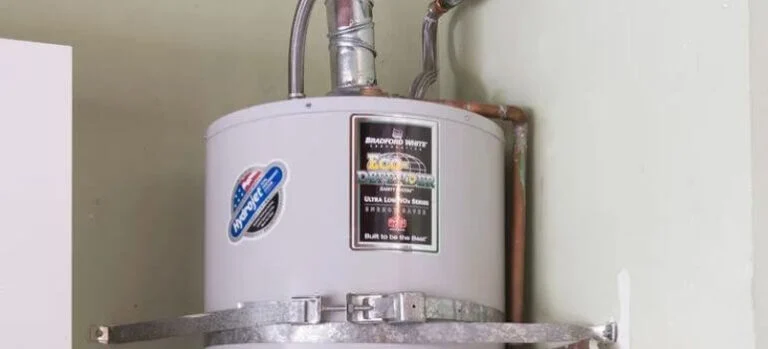
The first step is understanding the core differences between a 50‑gallon and a 75‑gallon water heater. A 50‑gallon tank typically serves 2‑3 people comfortably, delivering enough hot water for showers, dishwashing, and laundry without a noticeable dip in temperature. A 75‑gallon unit, on the other hand, accommodates larger families (4‑5 members) or homes with simultaneous high‑demand activities, such as a morning rush of showers followed by a full load of laundry.
Beyond capacity, consider the physical footprint. A 50‑gallon model is generally more compact, fitting easily into closets, under‑counter cabinets, or utility rooms with limited clearance. The 75‑gallon version requires a larger space, often necessitating a dedicated utility area or a garage nook. If you’re planning a sleek bathroom remodel, the smaller footprint may allow you to keep the heater hidden behind a decorative panel, preserving clean lines.
Factors Influencing the Decision
- Household size and usage patterns: Count the number of occupants and typical hot‑water demands per day.
- Peak usage times: Identify whether multiple showers, a bath, and appliances run simultaneously.
- Space constraints: Measure the area where the heater will sit; a tight space may favor the 50‑gallon option.
- Energy efficiency goals: Larger tanks can have higher standby losses; a well‑insulated 50‑gallon model may be more efficient for smaller loads.
- Future expansion: Anticipate additions such as a second bathroom or a growing family.
Energy Efficiency and Operating Costs
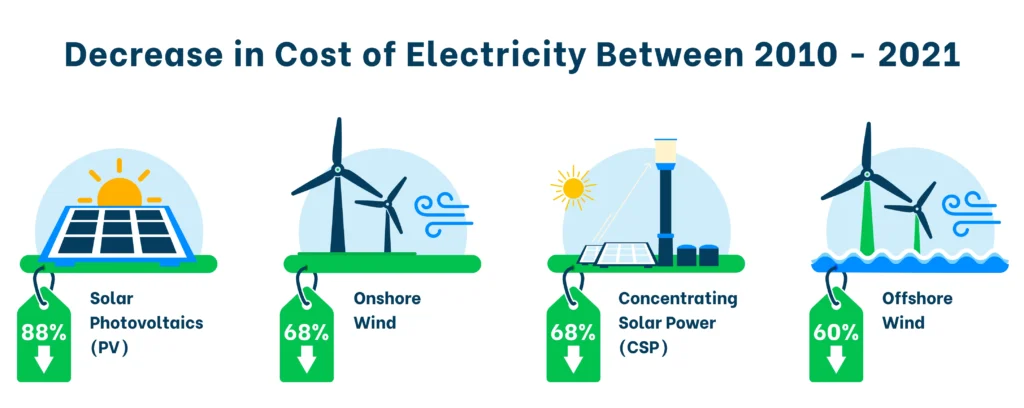
Energy consumption is a major factor when comparing a 50‑gallon vs 75‑gallon water heater. A larger tank holds more water that must be kept at temperature, leading to higher standby heat loss—especially if the unit isn’t equipped with advanced insulation. Modern 75‑gallon models often feature improved jackets and smart thermostats that mitigate these losses, but the baseline cost will still be higher than a 50‑gallon counterpart for the same usage pattern.
To reduce operating costs, consider the following:
- Choose a unit with the Energy Star label; it guarantees a minimum efficiency threshold.
- Install a timer or a smart controller that lowers the temperature during low‑usage periods.
- Insulate the tank and the first few feet of hot‑water pipes to preserve heat.
In a typical family of four, a 75‑gallon heater might cost 10‑15% more in annual energy bills compared to a 50‑gallon unit, assuming both are similarly insulated. However, the added capacity can prevent the frustration of cold showers during peak usage, which some homeowners value more than the extra cost.
Design Integration and Aesthetic Considerations

While water heaters are primarily functional, they also have a visual impact in modern homes. A well‑chosen heater can be concealed within a custom cabinet, painted to match surrounding walls, or placed behind a decorative mesh that complements a bathroom’s industrial vibe. When selecting between 50‑gallon and 75‑gallon, think about how the unit’s dimensions will affect your design plans.
For smaller bathrooms where space is at a premium, a 50‑gallon tank can be tucked into a recessed niche, allowing you to keep the room’s clean lines intact. In larger master baths or open‑concept layouts, a 75‑gallon unit may be housed in a stylish utility closet that doubles as a storage area for towels and toiletries.
Need inspiration on how to make storage spaces look chic? Check out our guide on bathroom décor with simple shelf styling for ideas on integrating utility pieces without compromising style.
Installation, Maintenance, and Longevity
Installation complexity rises with tank size mainly because of weight and required clearances for venting (in gas models). A 75‑gallon unit can weigh up to 300 lb when filled, demanding reinforced floor joists or a concrete pad. A 50‑gallon tank is lighter (around 200 lb) and usually easier for DIY‑friendly installations.
Maintenance routines—flushing the tank, checking the anode rod, and testing the pressure relief valve—are identical for both sizes. However, a larger tank may accumulate sediment faster if you have hard water, potentially shortening its effective lifespan. Investing in a water softener or a sediment filter can protect either size but becomes especially important for the 75‑gallon model.
Most manufacturers offer a 10‑year warranty on the tank and a 6‑year warranty on parts. When comparing warranties, ensure you understand any pro‑rated coverage clauses that could affect long‑term cost‑effectiveness.
Cost Comparison and Return on Investment
The upfront price difference between a 50‑gallon and a 75‑gallon water heater can be significant. A reputable 50‑gallon electric model may start around $600, while a comparable 75‑gallon gas unit can range from $900 to $1,200, not including installation fees. Installation costs can add $300‑$600 depending on local labor rates and the complexity of the job.
To calculate return on investment (ROI), factor in:
- Initial purchase price
- Installation expenses
- Estimated annual energy cost
- Projected lifespan (usually 10‑12 years)
For a family that consistently uses high volumes of hot water, the 75‑gallon model may pay for itself by preventing the need for a secondary point‑of‑use heater, which would add both cost and visual clutter. Conversely, a smaller household may find that a 50‑gallon unit provides sufficient capacity while saving on both purchase price and energy bills.
Quick Tips for Selecting the Ideal Tank
- Calculate your peak‑hour demand using the formula: Number of fixtures × Flow rate (GPM) × Minutes of use.
- Choose a unit with a high first‑hour rating (FHR) that exceeds your calculated demand.
- Prioritize Energy Star certification for lower standby losses.
- Plan the installation location early to avoid costly retrofits later.
- Consider a hybrid or heat‑pump water heater for even greater efficiency.
Common Mistakes to Avoid
Even experienced homeowners can slip into pitfalls when sizing water heaters. One frequent error is oversizing based on a “bigger is better” mindset, which leads to unnecessary energy waste. Another is neglecting the space needed for proper ventilation in gas models, which can cause safety hazards.
Don’t forget to check local building codes; some municipalities require a minimum clearance from walls or combustible materials. Skipping the anode‑rod check during routine maintenance can also accelerate corrosion, shortening the life of both 50‑gallon and 75‑gallon tanks alike.
Frequently Asked Questions
What size water heater is best for a family of four?
Most experts recommend a 65‑70‑gallon tank for a family of four with simultaneous usage. If your mornings are less hectic, a 50‑gallon model can still meet the demand, especially if you incorporate low‑flow fixtures.
Can I install a 75‑gallon water heater in a small apartment?
It’s generally not advisable. Small apartments often lack the floor load capacity and space needed for a 75‑gallon tank. A compact electric or tank‑less model might be a better fit.
How much energy does a 50‑gallon water heater save compared to a 75‑gallon?
On average, a 50‑gallon unit can use 10‑15% less energy per year, assuming similar usage patterns and insulation quality. The exact savings depend on your climate, water temperature settings, and how often you draw hot water.
Do larger tanks affect water pressure?
Water pressure is determined by the municipal supply and home plumbing, not the tank size. However, a larger tank can deliver hot water for a longer period before the pressure drops, which is why families with high demand often opt for 75‑gallon models.
Are there design-friendly ways to hide a water heater?
Yes. Custom cabinetry, decorative screens, or painting the unit to match surrounding walls are popular solutions. For a cohesive look, coordinate the heater’s color with bathroom tiles or kitchen backsplashes. Our article on drop‑in vs undermount tubs showcases how thoughtful design choices can make utility elements blend seamlessly.
Should I consider a tankless water heater instead?
Tankless units provide endless hot water on demand and save space, but they may require larger gas lines or higher‑capacity electrical circuits. They also tend to be more expensive upfront. If you have limited space and a consistent usage pattern, a tankless system could be a worthwhile investment.
Choosing the right capacity for your water heater involves balancing family size, usage habits, space, and energy goals. By carefully assessing these factors, you’ll avoid the common pitfalls of over‑ or under‑sizing and enjoy reliable hot water that supports your modern lifestyle. Remember that the best choice isn’t just about gallons—it’s about how the heater fits into your home’s design narrative and daily rhythm.
Ready to explore more design ideas? Browse our arhaus vs ethan allen comparison for inspiration on blending high‑end furniture with functional spaces, or check out our creative kitchen counter décor ideas to see how smart storage solutions can elevate the heart of the home.