
Table of Contents
- Understanding the Core Differences: 30 vs 36 Cooktop Dimensions
- Cooking Habits and Lifestyle: Which Size Serves You Best?
- 30 vs 36 Cooktop: Matching Size to Cooking Frequency
- Design Harmony: Integrating the Cooktop with Your Kitchen Aesthetic
- Styling Tip: Pairing Cooktop Size with Countertop Materials
- Installation and Ventilation: Practical Considerations
- Energy Efficiency and Performance: Does Size Matter?
- Quick Energy‑Saving Tip
- Cost Comparison: Budgeting for 30 vs 36 Cooktops
- Future‑Proofing Your Kitchen: Flexibility and Resale Value
- Quick Tips for Choosing Between 30 vs 36 Cooktop
- Common Mistakes to Avoid When Selecting a Cooktop Size
- Frequently Asked Questions
- Is a 36‑inch cooktop worth the extra cost for a small kitchen?
- Can I install a 36‑inch cooktop on a standard 24‑inch island?
- Do I need a different type of range hood for a 36‑inch cooktop?
- Are there safety differences between 30‑inch and 36‑inch cooktops?
- How does burner type affect the choice between 30 vs 36 cooktops?
- Will a larger cooktop increase my home’s resale value?
30 vs 36 Cooktop: Which Size Fits Your Kitchen Perfectly?
Choosing the right cooktop size is one of those decisions that can quietly shape the entire feel of your kitchen. A 30‑inch model may feel sleek and space‑saving, while a 36‑inch version offers extra burners and a broader cooking surface. Both options have distinct advantages, and the best choice depends on how you cook, the layout of your space, and the overall design language you’re aiming for.
In this guide we’ll break down the practical, aesthetic, and functional considerations that come into play when you compare 30 vs 36 cooktops. By the end, you’ll have a clear roadmap for matching the right size to your cooking habits, household size, and style goals, all while keeping budget and safety in mind.
Whether you’re renovating a compact apartment kitchen or upgrading a spacious family hub, understanding the nuances of 30 vs 36 cooktops will help you avoid costly missteps and create a cooking zone that feels both efficient and beautiful.
Understanding the Core Differences: 30 vs 36 Cooktop Dimensions
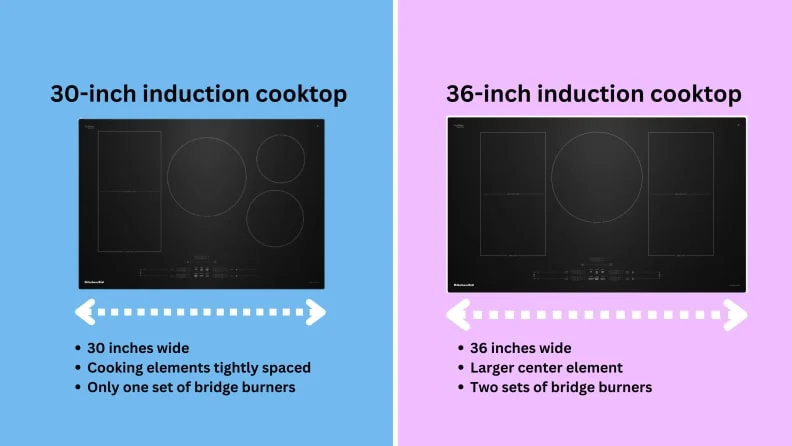
The most obvious distinction between a 30‑inch and a 36‑inch cooktop is the width. A 30‑inch unit typically measures 30 × 20‑30 inches, depending on the model, while a 36‑inch version stretches to 36 × 20‑30 inches. This extra six inches translates into more burner space, often allowing for a fourth or even fifth burner, and sometimes a dedicated griddle or wok ring.
From a design perspective, the 30‑inch cooktop fits neatly into narrower cabinetry, making it ideal for galley kitchens or apartments where countertop real estate is at a premium. In contrast, the 36‑inch model shines in open‑concept layouts where the cooktop can serve as a visual centerpiece, especially when paired with a spacious island.
Beyond sheer size, the larger unit may also accommodate higher‑output burners, which can be a game‑changer for searing, boiling, or stir‑frying large batches. However, the additional width can impact surrounding cabinetry, ventilation requirements, and even the type of range hood you’ll need.
Cooking Habits and Lifestyle: Which Size Serves You Best?
Before you let dimensions dictate your decision, consider how you actually use your kitchen. If you regularly prepare multi‑course meals, host dinner parties, or love experimenting with complex recipes, the extra burners on a 36‑inch cooktop can reduce the need to juggle pots and pans on the countertop.
On the other hand, a single‑person household or a couple who mainly cooks quick meals may find a 30‑inch unit perfectly adequate. The smaller footprint leaves more counter space for prep work, which can be a valuable trade‑off for those who value a clean, uncluttered work zone.
Think about the types of cookware you own as well. Larger woks, stock pots, and grilling pans often require more surface area than a 30‑inch cooktop can comfortably support. If you already own—or plan to invest in—these pieces, a 36‑inch model will give them the breathing room they need.
30 vs 36 Cooktop: Matching Size to Cooking Frequency
- High‑frequency cooking: Opt for 36‑inch to avoid bottlenecks.
- Occasional cooking: 30‑inch provides sufficient flexibility.
- Specialty cookware: Larger burners on 36‑inch handle big pans better.
- Space constraints: 30‑inch fits tighter layouts without compromising style.
Design Harmony: Integrating the Cooktop with Your Kitchen Aesthetic

A cooktop isn’t just a functional appliance; it’s a visual anchor. In a modern kitchen, clean lines and minimal hardware are often emphasized. A 30‑inch cooktop can enhance a minimalist look, especially when paired with a sleek glass‑ceramic surface that appears to float on the countertop.
Conversely, a 36‑inch cooktop offers a broader canvas for design tricks. You can align it with a wider countertop overhang, create a symmetrical island, or even incorporate a built‑in downdraft vent that blends seamlessly with the surrounding cabinetry. This larger footprint also allows for a more dramatic contrast when using mixed materials—think stainless steel burners against a matte black countertop.
For those who enjoy a layered design, the extra space on a 36‑inch unit can accommodate a dedicated warming zone or a built‑in grill, adding both function and visual interest without requiring additional appliances.
Styling Tip: Pairing Cooktop Size with Countertop Materials
When you’re deciding between 30 vs 36 cooktops, think of the countertop as a partner. Quartz and engineered stone provide a uniform look that can accommodate both sizes, while natural stone such as marble may benefit from the broader visual balance a 36‑inch model provides. For a budget‑friendly approach, see our budget‑friendly kitchen styling guide for material pairings that don’t break the bank.
Installation and Ventilation: Practical Considerations
Installing a 36‑inch cooktop typically demands more precise measurements. The cutout in the countertop must be larger, and you’ll need to ensure that the surrounding cabinets can support the weight and dimensions. This often means reinforcing the cabinetry or opting for a custom cabinet solution.
Ventilation is another critical factor. Larger burners generate more heat and steam, requiring a more powerful range hood. A 30‑inch cooktop can work with a modest vent, but a 36‑inch model may need a hood with a minimum CFM (cubic feet per minute) rating of 600–900, depending on the number of high‑output burners. Proper ventilation not only protects your cabinets from grease buildup but also maintains indoor air quality.
If you’re unsure about the venting requirements, consulting a professional installer early in the planning stage can save you from costly retrofits later. They can also advise on whether a downdraft system is feasible for your layout, which is especially appealing for island installations.
Energy Efficiency and Performance: Does Size Matter?
One common misconception is that a larger cooktop automatically consumes more energy. In reality, efficiency depends more on burner technology than on overall width. Both 30‑inch and 36‑inch models can feature induction, gas, or electric burners, each with distinct energy profiles.
Induction cooktops, for instance, are highly efficient regardless of size because they heat the cookware directly. However, a 36‑inch induction unit may offer more high‑output zones, allowing you to run multiple pots at full power simultaneously without overloading the circuit.
When comparing 30 vs 36 cooktops, look at the BTU (British Thermal Unit) or wattage ratings per burner. A 36‑inch model with three 12,000‑BTU burners will outperform a 30‑inch unit with two 10,000‑BTU burners, but it may also draw more electricity or gas. Balancing performance with your home’s energy budget is key.
Quick Energy‑Saving Tip
Use the appropriate burner size for each pot. Even on a 36‑inch cooktop, a small saucepan on a large burner wastes energy. Matching pot diameter to burner diameter can reduce heat loss by up to 20%.
Cost Comparison: Budgeting for 30 vs 36 Cooktops
Price differences between 30‑inch and 36‑inch cooktops can be significant, especially when you factor in installation and ventilation upgrades. A basic 30‑inch electric model may start around $500, while a comparable 36‑inch version can be $800 or more. Premium brands with professional‑grade burners and sleek glass‑ceramic surfaces can push the 36‑inch price into the $2,000–$3,000 range.
Beyond the appliance itself, remember to budget for any necessary countertop modifications, cabinet reinforcement, and a stronger range hood. Some homeowners choose a 30‑inch cooktop to keep overall renovation costs under control, especially in smaller homes where the savings on cabinetry can be redirected toward higher‑quality finishes elsewhere.
If you’re looking for cost‑effective ideas, our article on vinyl plank flooring durability offers insight into where you can splurge and where you can save without compromising style.
Future‑Proofing Your Kitchen: Flexibility and Resale Value
When you think long‑term, the size of your cooktop can influence resale appeal. Buyers in urban markets often favor a 30‑inch cooktop because it signals efficient use of space, while suburban buyers might appreciate the versatility of a 36‑inch unit for larger families.
Future‑proofing also means considering trends like smart appliances and integrated controls. Many manufacturers now offer Wi‑Fi‑enabled burners that sync with mobile apps, regardless of size. However, a larger cooktop may provide more room for future upgrades, such as adding a dedicated griddle or a built‑in wok burner without replacing the entire unit.
Think about how your cooking needs might evolve. If you anticipate entertaining more often or expanding your family, the 36‑inch model may offer the flexibility you’ll appreciate years down the line.
Quick Tips for Choosing Between 30 vs 36 Cooktop
- Measure your countertop opening accurately—allow a ½‑inch clearance on each side.
- Match burner count to your typical pot and pan inventory.
- Check your range hood’s CFM rating; upgrade if you go larger.
- Consider induction for energy efficiency, especially in smaller spaces.
- Factor in installation costs early to avoid surprise budget overruns.
Common Mistakes to Avoid When Selecting a Cooktop Size
Even seasoned homeowners can slip up when selecting a cooktop. One frequent error is purchasing a 36‑inch unit for a kitchen that simply doesn’t have the clearance, leading to cramped countertop space and a rushed installation. Another mistake is neglecting the ventilation needs—installing a low‑power hood with a high‑output 36‑inch cooktop results in lingering smoke and grease.
Some buyers also overlook the importance of burner distribution. Placing all high‑output burners on one side of a 30‑inch cooktop can create an uneven cooking zone, forcing you to constantly shift pots. Lastly, ignoring future appliance upgrades—like a built‑in downdraft or smart controls—can limit your ability to modernize later.
Frequently Asked Questions
Is a 36‑inch cooktop worth the extra cost for a small kitchen?
For most compact kitchens, a 30‑inch model provides sufficient functionality while preserving valuable counter space. However, if you frequently cook multiple dishes at once or use large cookware, the added flexibility of a 36‑inch unit may justify the expense.
Can I install a 36‑inch cooktop on a standard 24‑inch island?
Technically, a 36‑inch cooktop requires at least a 36‑inch wide opening, so a 24‑inch island isn’t suitable without extending the countertop. Extending the island not only accommodates the cooktop but also adds prep space and visual balance.
Do I need a different type of range hood for a 36‑inch cooktop?
Yes. Because larger burners generate more heat and steam, a range hood with a higher CFM rating—typically 600 CFM or more—is recommended to ensure effective ventilation.
Are there safety differences between 30‑inch and 36‑inch cooktops?
Both sizes meet the same safety standards, but a larger surface area means more open hot zones. Proper burner control, clear countertop edges, and a robust ventilation system help mitigate any added risk.
How does burner type affect the choice between 30 vs 36 cooktops?
Induction cooktops offer fast heating and high efficiency regardless of size, while gas models may benefit from the extra burners of a 36‑inch unit for simultaneous cooking. Electric coil models are less common in larger sizes but can still be found.
Will a larger cooktop increase my home’s resale value?
In many markets, a well‑chosen 36‑inch cooktop can be a selling point for families who value cooking space. In urban apartments, a sleek 30‑inch unit may be more appealing. Ultimately, alignment with the overall kitchen design and buyer expectations drives resale impact.
Choosing between a 30‑inch and a 36‑inch cooktop is less about a simple size comparison and more about aligning the appliance with your cooking style, spatial constraints, and design aspirations. By weighing factors such as burner count, ventilation, budget, and future needs, you can select a cooktop that not only performs flawlessly but also enhances the visual harmony of your kitchen. Take the time to measure, plan, and envision how each size will integrate with your overall layout, and you’ll end up with a cooking space that feels custom‑made for your life.