

Table of Contents
- Understanding the Basics of 3 16 Grout Line vs 1 8 Grout Line
- Why the Size Matters: 3 16 Grout Line vs 1 8 Grout Line
- Visual Impact: When to Choose a 3 16 Grout Line
- Visual Impact: When to Opt for a 1 8 Grout Line
- Durability and Maintenance: Practical Differences
- Installation Tips for a Perfect 3 16 Grout Line vs 1 8 Grout Line
- Preparing the Substrate
- Choosing the Right Tile Size
- Applying the Grout
- Tools and Materials
- Cost Considerations: Budgeting for 3 16 vs 1 8 Grout Lines
- Choosing the Right Grout Color for 3 16 Grout Line vs 1 8 Grout Line
- Quick Tips for Mastering 3 16 Grout Line vs 1 8 Grout Line
- Common Mistakes and How to Avoid Them
- Frequently Asked Questions
- Bringing It All Together: Making the Right Choice for Your Space
3 16 Grout Line vs 1 8 Grout Line – Choosing the Right Spacing for Flawless Tiles
When you embark on a tiling project—whether it’s a sleek bathroom, a high‑traffic kitchen, or a cozy entryway—the width of the grout line often determines the final look and long‑term performance. Two of the most common measurements you’ll encounter are a 3 16 grout line and a 1 8 grout line. Both have distinct visual and functional characteristics, and understanding their differences can prevent costly repairs and unsightly seams down the road.
In this guide we’ll break down the technical aspects, aesthetic impacts, and practical considerations of 3 16 grout line vs 1 8 grout line. By the end, you’ll know which option suits your space, tile size, and lifestyle, and you’ll have actionable tips to ensure a professional finish—even if you’re a DIY enthusiast.
Understanding the Basics of 3 16 Grout Line vs 1 8 Grout Line

Grout is the cement‑based filler that locks tiles together, compensates for minor imperfections, and helps prevent moisture infiltration. The measurement “3 16” means the gap between tiles measures three‑sixteenths of an inch (approximately 4.8 mm), while “1 8” refers to a one‑eighth‑inch gap (about 3.2 mm). These numbers may seem small, but they have a profound influence on three key areas: durability, visual harmony, and installation ease.
Why the Size Matters: 3 16 Grout Line vs 1 8 Grout Line
A wider 3 16 grout line can accommodate larger variations in tile size, especially with natural stone or handmade ceramics that are rarely perfectly uniform. It also offers better moisture management in wet rooms because the larger void can be filled with a more robust, flexible grout mix. Conversely, a narrower 1 8 grout line creates a tighter, more seamless appearance, which is ideal for modern, minimalist aesthetics where the focus is on the tile itself rather than the spaces between them.
Visual Impact: When to Choose a 3 16 Grout Line
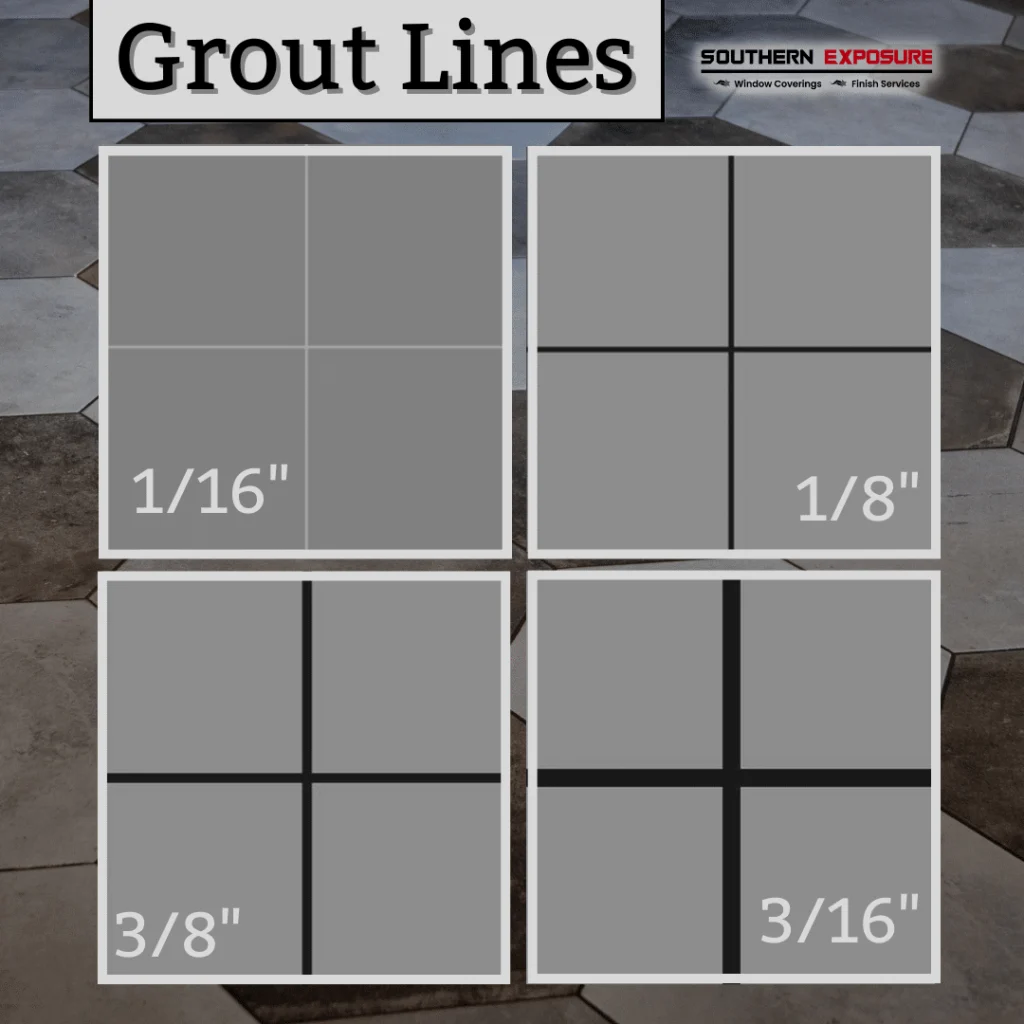
If you’re aiming for a classic, textured look—think rustic farmhouse kitchens or traditional bathroom mosaics—a 3 16 grout line provides a subtle frame that highlights each tile’s individual character. The slightly larger gap catches light differently, adding depth and a hint of shadow that can make a floor feel more spacious.
- Pattern accentuation: Larger grout lines enhance geometric patterns, making them pop.
- Color contrast: When using a contrasting grout color, a 3 16 line makes the color stand out, creating a striking border.
- Floor temperature: Wider grout can slightly reduce the cold feel of tile underfoot, a bonus in cooler climates.
For example, a bathroom featuring large format porcelain tiles (24×24 in) paired with a 3 16 grout line can achieve a timeless, spa‑like ambience while still allowing for minor size variations without compromising the overall look.
Visual Impact: When to Opt for a 1 8 Grout Line
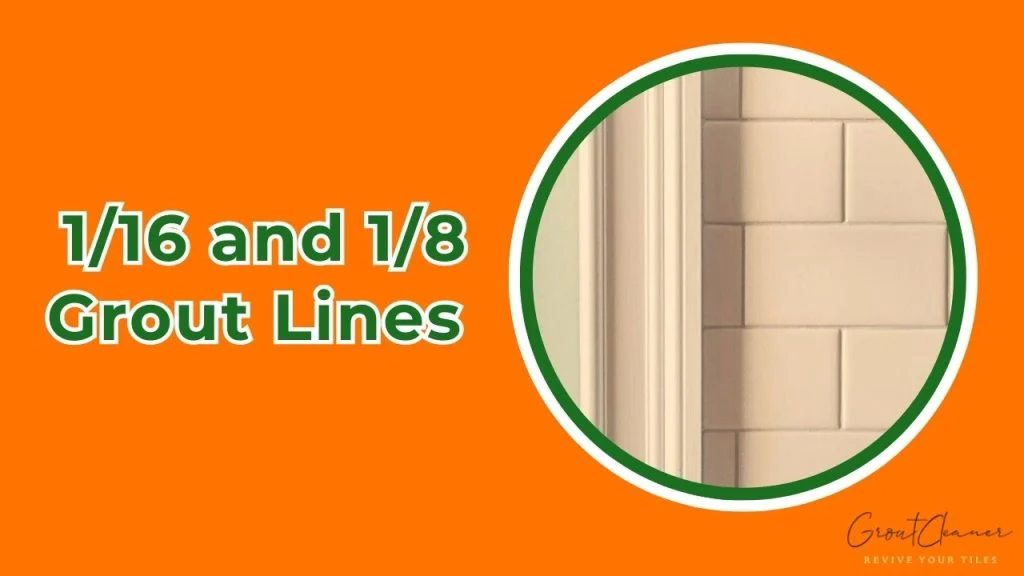
A 1 8 grout line is the go‑to choice for contemporary spaces where clean lines and a “seamless” look dominate. Minimalist interiors, high‑gloss ceramic tiles, and large slab installations all benefit from the subtlety of a 1 8 gap. The reduced visual interruption emphasizes the tile’s surface, color, and texture, delivering a sleek, modern finish.
- Smooth continuity: The narrow gap creates a nearly uninterrupted plane, perfect for floor‑to‑ceiling tile walls.
- Reflective surfaces: Glossy tiles with 1 8 grout lines amplify light, making small rooms appear larger.
- Maintenance ease: Less grout means fewer seams where dirt can accumulate, simplifying cleaning.
Consider a small urban loft where space feels at a premium. Installing 12×12 in matte porcelain tiles with a 1 8 grout line can visually expand the area while maintaining a crisp, urban aesthetic.
Durability and Maintenance: Practical Differences
Durability isn’t just about how much weight the floor can bear; it’s also about how well the grout protects against moisture, staining, and cracking. A 3 16 grout line typically offers greater tolerance for movement caused by temperature fluctuations or subfloor shifting. The extra space allows the grout to expand and contract without stressing the tiles.
In contrast, a 1 8 grout line can be more susceptible to cracking if the underlying substrate isn’t perfectly level. However, modern polymer‑enhanced grouts provide flexibility that mitigates this risk, especially when paired with proper substrate preparation.
Maintenance-wise, narrower lines require more precise cleaning to avoid streaks, while wider lines can hide minor stains but may need more frequent sealing to prevent grout discoloration. Choosing the right sealant and a high‑quality, stain‑resistant grout can balance these concerns for either width.
Installation Tips for a Perfect 3 16 Grout Line vs 1 8 Grout Line
Regardless of the width you decide on, a successful installation hinges on meticulous preparation and attention to detail. Below are step‑by‑step recommendations tailored to each grout line size.
Preparing the Substrate
- Ensure the surface is level within 1/8 in per 10 ft; larger deviations require a self‑leveling compound.
- Use a moisture barrier (e.g., a waterproofing membrane) in wet areas to protect the subfloor.
- Clean the area of dust, grease, and loose debris before laying tiles.
Choosing the Right Tile Size
For a 3 16 grout line, medium‑to‑large tiles (12×12 in up to 24×24 in) work best because the wider gap balances the visual weight of each piece. For a 1 8 grout line, smaller tiles or large slabs with uniform dimensions create a cohesive surface that doesn’t feel “broken” by the narrow seam.
Applying the Grout
- Mix grout to a peanut‑butter consistency; too thin will seep into joints, too thick leaves voids.
- Use a rubber float at a 45‑degree angle to press grout into the 3 16 or 1 8 spaces, ensuring full coverage.
- After the initial set (10‑15 minutes), wipe excess with a damp sponge, changing water frequently to avoid streaks.
- Seal the grout after it cures (typically 24‑48 hours) with a penetrating sealant to protect against stains.
Tools and Materials
Invest in a high‑quality tile spacer set that includes both 3 16 and 1 8 options. This ensures consistent gaps throughout the project. Additionally, a flexible caulking gun for applying grout in tight areas can make the difference between a smooth finish and uneven seams.
For more holistic design ideas that complement your tile choice, check out our calming home interior ideas guide. It provides color palettes and lighting tips that enhance the impact of your grout line decision.
Cost Considerations: Budgeting for 3 16 vs 1 8 Grout Lines
While the price difference between a 3 16 grout line and a 1 8 grout line is usually minimal, indirect costs can vary. Wider grout lines often require more grout material, which can increase material costs by 5‑10 percent. However, they may reduce labor time because larger gaps are easier to fill and level.
Narrower 1 8 grout lines demand higher precision, potentially extending the installation timeline and increasing labor expenses. On the other hand, the sleek finish can increase a property’s resale value, especially in upscale markets where modern aesthetics are prized.
When budgeting, factor in the need for premium polymer‑enhanced grout for a 1 8 line, as it provides the flexibility necessary to prevent cracking. These specialized products may cost slightly more but often offset future repair expenses.
Choosing the Right Grout Color for 3 16 Grout Line vs 1 8 Grout Line
Grout color is a powerful design tool. With a 3 16 grout line, you have the freedom to use a contrasting color to emphasize tile patterns or a matching hue for a subtle look. Because the gap is larger, a bold color won’t feel overwhelming—it becomes a purposeful accent.
For a 1 8 grout line, a matching or near‑matching grout color is typically preferred to maintain the seamless appearance. Even a slight mismatch can become noticeable due to the narrowness of the seam. If you wish to add contrast, consider a very light or very dark shade that blends gently without creating a “line” effect.
To explore how grout color works with tile selection in a bathroom setting, read our guide on regal bathroom design. It showcases real‑world examples of color coordination that you can adapt to your own project.
Quick Tips for Mastering 3 16 Grout Line vs 1 8 Grout Line
- Test a small area first: lay a few tiles with your chosen spacer to see how the grout line looks under lighting.
- Use polymer‑enhanced grout for 1 8 gaps to add flexibility and reduce cracking risk.
- Seal grout within 48 hours of curing to lock out stains and moisture.
- Keep a damp sponge handy during wiping; a dry cloth can leave unsightly streaks.
- Consider the tile’s finish: glossy tiles look best with 1 8 lines; textured stone benefits from 3 16.
Common Mistakes and How to Avoid Them
Even seasoned installers can fall into traps when working with grout lines. Below are the most frequent errors and practical solutions.
- Inconsistent spacing: Mixing spacer sizes leads to uneven lines. Stick to one size throughout or deliberately create a pattern.
- Insufficient substrate preparation: A bumpy base amplifies the visual impact of a 1 8 line. Level the floor first.
- Using the wrong grout type: Standard sanded grout may crack in a 1 8 line; opt for unsanded or polymer‑modified grout.
- Skipping sealing: Unsealed grout absorbs spills, leading to discoloration—especially problematic with a 3 16 line where more surface area is exposed.
- Rushing the cleaning phase: Leaving grout haze on tiles creates a dull appearance. Use a proper grout haze remover.
Frequently Asked Questions
Is a 3 16 grout line better for outdoor tile installations?
Yes. Outdoor environments experience greater temperature swings and moisture exposure. A 3 16 grout line provides the extra space needed for expansion, reducing the chance of cracks in both the grout and the tiles.
Can I switch from a 3 16 to a 1 8 grout line after installation?
Changing grout width after tiles are set is labor‑intensive. It would require removing the existing grout, possibly the tiles, and reinstalling them with new spacers. It’s more practical to decide on the width before the first tile is placed.
What type of grout should I use with a 1 8 line for a bathroom?
A high‑quality, polymer‑enhanced unsanded grout is ideal. It offers the flexibility needed for narrow seams while resisting moisture penetration, which is crucial in wet areas.
Does grout line width affect floor heating systems?
Yes. Wider grout lines (3 16) can slightly reduce the efficiency of radiant floor heating because they interrupt heat transfer. A 1 8 line provides a more continuous surface, allowing heat to spread more evenly.
How often should I reseal grout?
Generally, resealing every 1‑2 years keeps the grout protected. High‑traffic areas or wet rooms may need more frequent resealing, especially when using a 3 16 grout line that presents more surface area.
Bringing It All Together: Making the Right Choice for Your Space
Choosing between a 3 16 grout line vs 1 8 grout line isn’t just a technical decision; it’s a design statement. If you favor classic charm, accommodate natural stone irregularities, or need extra durability in wet zones, the 3 16 option offers flexibility and visual depth. If a sleek, contemporary look with minimal visual interruption aligns with your vision, the 1 8 line delivers a modern, clean finish that showcases the tile itself.
Remember to evaluate tile size, surface finish, room function, and budget. Pair the right grout line with appropriate grout type, color, and sealing routine, and you’ll achieve a professional result that lasts for years. For inspiration on coordinating tile work with overall décor, explore our modern wall décor guide, which offers ideas on how to balance patterns and colors throughout a room.
With careful planning and the right tools, the choice between a 3 16 grout line vs 1 8 grout line becomes an empowering part of your design process, letting you shape both the function and the feel of any tiled surface.
Ready to start your next tiling adventure? Grab your spacers, select the grout that matches your aesthetic, and enjoy the transformation of your space—one perfectly sized line at a time.