
Table of Contents
- 200 amp vs 400 amp service making the right electrical decision: Core Differences Explained
- 200 amp vs 400 amp service making the right electrical decision: When to Choose Each
- Calculating Your Home’s Electrical Load
- Cost Considerations: Upfront vs Long‑Term Investment
- Safety, Code Compliance, and Professional Installation
- Integrating Electrical Planning with Modern Home Décor
- Quick Tips for Choosing the Right Service
- Common Mistakes and How to Avoid Them
- Frequently Asked Questions
- Conclusion
200 Amp vs 400 Amp Service – Making the Right Electrical Decision
Choosing the appropriate electrical service for a home isn’t just a technical detail; it’s a foundational decision that affects everything from daily convenience to long‑term resale value. Whether you’re building a new house, renovating an older property, or simply upgrading a dated panel, understanding the differences between a 200 amp and a 400 amp service can save you time, money, and headaches down the road.
In today’s modern lifestyle, households often run multiple high‑wattage appliances simultaneously—think electric ranges, HVAC systems, electric vehicle (EV) chargers, and home‑office equipment. A service that was sufficient a decade ago may now feel cramped, causing tripped breakers, flickering lights, or the need for costly upgrades. This article walks you through the key considerations, helping you make an informed choice that aligns with your current needs and future plans.
We’ll explore load calculations, cost implications, safety factors, and practical design tips that blend electrical reliability with modern home décor aesthetics. By the end, you’ll feel confident about whether a 200 amp or a 400 amp service is the right fit for your space.
200 amp vs 400 amp service making the right electrical decision: Core Differences Explained
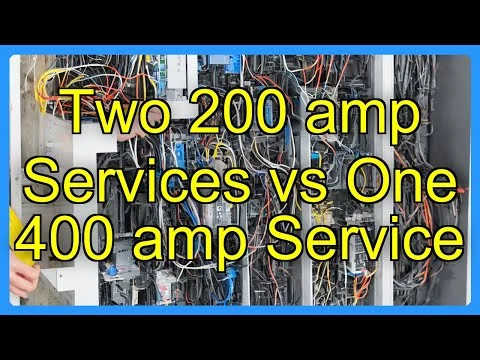
The primary distinction between a 200 amp and a 400 amp service lies in the amount of electrical current the panel can safely distribute throughout your home. A 200 amp panel typically provides up to 48,000 watts of power (200 amps × 240 volts), while a 400 amp panel doubles that capacity, offering up to 96,000 watts. This increase is not merely a number on a spec sheet—it translates into tangible benefits such as the ability to add more circuits, support larger appliances, and future‑proof your home for emerging technologies.
However, a larger service also means a larger main breaker, thicker conductors, and often a more robust utility connection. These factors affect installation costs, space requirements, and the overall design of your electrical room. Understanding these core differences helps you align your electrical capacity with your lifestyle, budget, and design goals.
200 amp vs 400 amp service making the right electrical decision: When to Choose Each
Choosing between 200 amp and 400 amp service depends on several variables:
- Home size and layout: Larger square footage typically requires more circuits for lighting, outlets, and dedicated appliance lines.
- Current and planned appliances: Electric ranges, induction cooktops, and multiple HVAC zones can quickly consume a 200 amp panel’s capacity.
- Future upgrades: If you anticipate adding an EV charger, a home theater, or a solar‑plus‑storage system, a 400 amp service offers ample headroom.
- Budget constraints: While a 400 amp upgrade costs more upfront, it can avoid future panel expansions that are often more expensive per amp.
For many average‑sized homes (under 2,500 sq ft) with standard appliances, a well‑designed 200 amp service is sufficient. For new builds, luxury homes, or properties that will house high‑power equipment, opting for a 400 amp service from the start can be a smarter long‑term investment.
Calculating Your Home’s Electrical Load
Accurate load calculation is the cornerstone of 200 amp vs 400 amp service making the right electrical decision. The National Electrical Code (NEC) recommends using the “Standard Method” for residential calculations, which adds together the wattage of all major appliances, lighting, and general-use circuits, then applies demand factors to account for diversity.
Here’s a simplified step‑by‑step approach you can follow:
- List all fixed appliances (range, dryer, water heater, HVAC, etc.) and note their rated wattage.
- Calculate the total for lighting and receptacle circuits by multiplying the square footage by 3 watts per square foot.
- Apply the NEC demand factor: 100 % for the first 10 kW, then 40 % for the remainder.
- Convert the final wattage to amps (divide by 240 volts). This gives you the minimum service size needed.
For example, a 2,200 sq ft home with a 5 kW HVAC system, 6 kW kitchen appliances, and typical lighting may calculate to roughly 150 amps. Adding a 7 kW EV charger would push the requirement past 200 amps, making a 400 amp service a logical choice.
Cost Considerations: Upfront vs Long‑Term Investment
Price is often the decisive factor in 200 amp vs 400 amp service making the right electrical decision. A standard 200 amp panel installation typically ranges from $1,200 to $2,500, depending on labor rates and local permit fees. A 400 amp upgrade can cost between $3,000 and $6,000, reflecting the need for larger conductors, a bigger main breaker, and potentially a larger utility service drop.
While the upfront difference appears significant, consider the following long‑term financial aspects:
- Future expansion: Adding circuits later often requires a panel upgrade, which can be more costly than installing a 400 amp panel initially.
- Energy efficiency: A larger service can accommodate high‑efficiency appliances that may have higher initial power draws but lower operating costs.
- Home resale value: Buyers appreciate the flexibility of a 400 amp service, especially in markets where EV ownership is rising.
When budgeting, factor in not only the installation price but also the potential savings from avoiding future upgrades and the added market appeal of a higher‑capacity electrical system.
Safety, Code Compliance, and Professional Installation
Safety is non‑negotiable when navigating 200 amp vs 400 amp service making the right electrical decision. Both service sizes must meet NEC requirements, local building codes, and utility provider specifications. A common safety pitfall is undersizing conductors; using wires that can’t handle the higher current of a 400 amp service can lead to overheating and fire hazards.
Hiring a licensed electrician ensures:
- Proper sizing of feeder cables (e.g., 4/0 AWG copper for a 400 amp service).
- Correctly rated main breaker and disconnects.
- Compliance with grounding and bonding standards.
- Accurate coordination with the utility company for service upgrades.
Additionally, a professional can integrate the service panel aesthetically into modern home décor—think recessed panel boxes, coordinated panel covers, or custom cabinetry that hides the electrical closet while preserving easy access for future work.
Integrating Electrical Planning with Modern Home Décor
Electrical capacity isn’t an isolated decision; it interacts with interior design choices. A 400 amp service can support a larger number of high‑tech lighting fixtures, smart‑home hubs, and integrated audio‑visual systems without compromising performance.
For instance, when planning a living‑room makeover, you might want recessed LED lighting, a wall‑mounted fireplace, and a dedicated circuit for a high‑end home theater. All of these draw significant power. By opting for a 400 amp service, you maintain clean, uninterrupted power distribution, which lets you place décor elements freely without worrying about overloaded circuits.
For design inspiration that balances power and aesthetics, check out our guide on Ceiling Fan vs Light Fixture: Choosing the Right Balance for Your Home. The article demonstrates how thoughtful electrical planning can enhance both comfort and visual appeal.
Quick Tips for Choosing the Right Service
- Conduct a detailed load calculation before deciding; it’s the most accurate way to gauge your needs.
- Consider future technology—EV chargers, home batteries, and smart‑home devices can double your power demand.
- Invest in a 400 amp service during a major remodel to avoid disruptive upgrades later.
- Work with a licensed electrician who understands both code compliance and interior design integration.
- Check with your utility provider early; some may require a service upgrade request before any work begins.
Common Mistakes and How to Avoid Them
Even experienced homeowners can slip into pitfalls when navigating 200 amp vs 400 amp service making the right electrical decision. Below are the most frequent errors and practical ways to sidestep them:
- Assuming “more amperage = more cost‑effective”: While a larger service offers flexibility, it isn’t always necessary. Over‑specifying can inflate your budget without tangible benefits.
- Ignoring load diversity: Many people add up the wattage of every appliance and think they need a massive panel. The NEC’s demand factors reflect that not all appliances run simultaneously.
- Skipping permits: Electrical work without proper permits can lead to failed inspections, insurance issues, and resale complications.
- Neglecting aesthetic integration: A panel placed in a visible hallway can clash with décor. Plan the location early and consider custom covers or built‑in cabinetry.
- Forgetting future upgrades: Even if you choose 200 amps now, leave space in the panel for additional breakers if you plan to expand later.
Frequently Asked Questions
What is the typical lifespan of a residential electrical panel?
A well‑maintained panel can last 25–40 years. However, if you experience frequent breaker trips or notice signs of corrosion, it may be time for a replacement or upgrade.
Can I upgrade from 200 amp to 400 amp without changing my utility service?
Often, the utility’s service drop (the wires from the pole to your house) must also be upgraded to handle the higher current. Your electrician will coordinate with the utility to determine if a larger service is feasible.
Do I need a permit for a panel upgrade?
Yes. Most jurisdictions require a permit and final inspection for any main service panel work. This ensures compliance with safety codes and protects you legally.
Will a larger panel affect my home’s resale value?
A 400 amp service is viewed positively, especially in markets where high‑power appliances and EV charging are common. It can make your home more attractive to tech‑savvy buyers.
How does a solar‑plus‑storage system impact my service size?
Solar arrays can reduce the net load on your panel, but the inverter and battery charger may still require dedicated circuits. In many cases, a 400 amp service provides the flexibility to integrate these systems without overloading existing circuits.
Conclusion
Deciding between a 200 amp and a 400 amp service is more than a numbers game; it’s about aligning your home’s electrical backbone with your lifestyle, design aspirations, and future‑proofing goals. By conducting a thorough load calculation, weighing upfront costs against long‑term benefits, and collaborating with a qualified electrician, you can make a decision that supports modern comforts while maintaining safety and aesthetic harmony. Whether you stick with a 200 amp panel for a modest remodel or step up to a 400 amp service for a high‑tech sanctuary, the right choice will keep your lights on, your appliances humming, and your décor looking sleek for years to come.
Ready to explore more design‑focused projects? Browse our article on Simple Home Décor with Woven Baskets – Easy Styling Ideas for Every Room for creative ways to blend functionality and style throughout your home.