
Table of Contents
- Understanding the Basics: 2 Panel Doors vs 6 Panel Doors
- Key Design Differences in 2 Panel Doors vs 6 Panel Doors
- Choosing the Right Door for Specific Rooms
- Living Room: Creating Flow or Focal Points
- Bedroom: Privacy Meets Style
- Kitchen: Functionality First
- Bathroom: Moisture‑Resistant Options
- Home Office or Study: Professional Appeal
- Material Considerations for 2 Panel Doors vs 6 Panel Doors
- Solid Wood
- Engineered Wood & MDF
- Metal & Glass Inserts
- Installation and Cost: Practical Factors
- Cost Comparison
- Installation Complexity
- Maintenance Tips
- Design Tips: Making 2 Panel Doors vs 6 Panel Doors Shine
- Paint & Color Strategies
- Hardware Choices
- Integrating with Trim & Molding
- Use of Glass Inserts
- Quick Tips for Selecting the Perfect Door
- Common Mistakes and How to Avoid Them
- Over‑Matching the Door to the Trim
- Ignoring Scale
- Choosing the Wrong Material for the Climate
- Neglecting Hardware Compatibility
- Frequently Asked Questions
- Making Your Final Decision
2 Panel Doors vs 6 Panel Doors – A Complete Guide for Modern Home Styling
When it comes to selecting interior doors, the decision often feels more aesthetic than functional. After all, a door is both a barrier and a design element that frames a room. Homeowners and renters alike wrestle with the classic dilemma of 2 panel doors vs 6 panel doors, wondering which style will complement their existing décor while meeting practical needs. This guide breaks down the visual language, construction nuances, and styling possibilities of each option so you can make a confident choice that elevates your space.
Whether you’re renovating a historic Victorian home, updating a sleek apartment, or simply looking for a fresh backdrop for your bedroom, understanding the subtle and not‑so‑subtle differences between these panel configurations will save you time, money, and endless design guesswork. Below, we explore the history, material choices, room‑by‑room applications, and maintenance tips that turn a simple door into a statement piece.
Understanding the Basics: 2 Panel Doors vs 6 Panel Doors
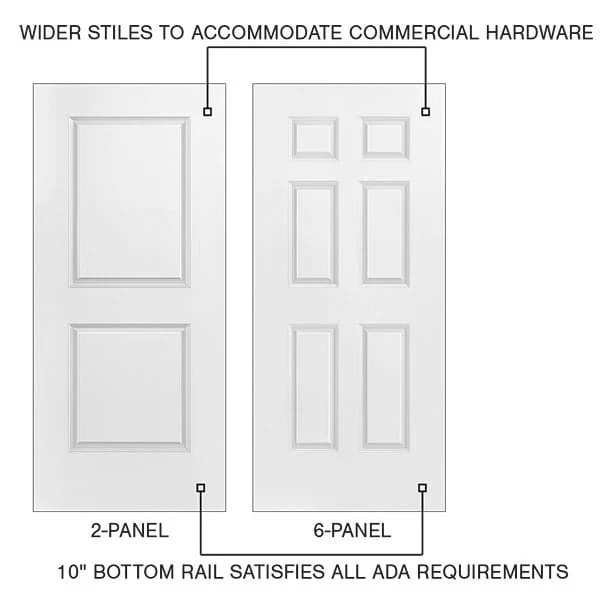
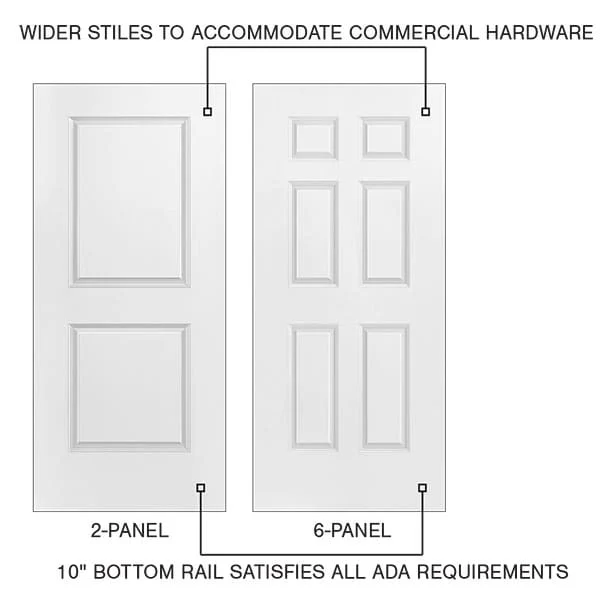
The core distinction between 2 panel doors and 6 panel doors lies in the number and arrangement of raised or recessed panels on the door’s face. A 2 panel door typically features a wide lower panel and a narrower upper panel, creating a clean, balanced look. In contrast, a 6 panel door divides the surface into three vertical sections, each containing two horizontal panels, resulting in a more detailed, traditional appearance.
Both styles can be crafted from solid wood, engineered wood, MDF, or even metal, and they can be finished with paint, stain, or veneer. The choice influences not only visual weight but also how the door interacts with surrounding elements such as trim, hardware, and wall color.
Key Design Differences in 2 Panel Doors vs 6 Panel Doors
- Simplicity vs. Detail: 2 panel doors offer a minimalist silhouette, while 6 panel doors provide intricate detailing that can echo classic architecture.
- Proportional Balance: The larger panels on a 2 panel door tend to make a room feel more open, whereas the smaller, repeated panels on a 6 panel door can add visual depth without overwhelming the space.
- Styling Compatibility: 2 panel doors often pair well with modern, mid‑century, or industrial interiors; 6 panel doors shine in traditional, colonial, or farmhouse settings.
Choosing the Right Door for Specific Rooms
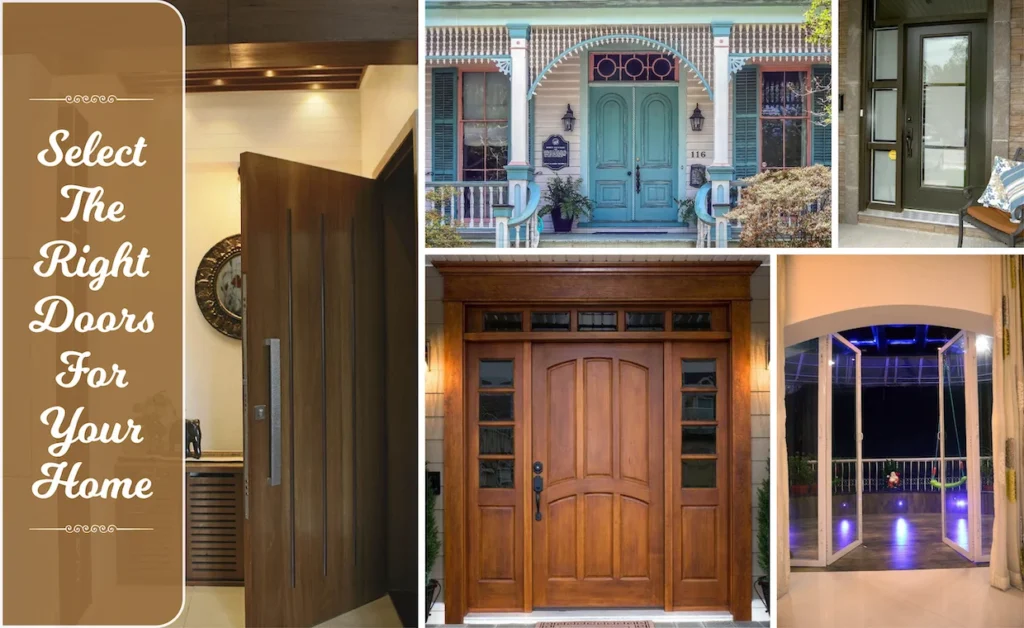
Each room in a home has its own functional demands and aesthetic goals. Below we examine how 2 panel doors vs 6 panel doors perform in common settings, helping you align door style with room purpose.
Living Room: Creating Flow or Focal Points
In open‑plan living areas, a 2 panel door can act as a subtle transition, preserving sightlines while offering a gentle separation. If your living room features bold artwork or a statement sofa, the clean lines of a 2 panel door won’t compete for attention.
Conversely, a 6 panel door can become a focal point when the surrounding décor is more subdued. The additional panels create shadow lines that add texture, especially when painted in a contrasting hue. Pairing a 6 panel door with brass or oil‑rubbed bronze hardware can reinforce a classic, elegant vibe.
Bedroom: Privacy Meets Style
Bedrooms benefit from doors that balance privacy with serenity. A 2 panel door painted in a soft, muted color can enhance a calming atmosphere. For a traditional bedroom, a 6 panel door with a subtle raised‑panel design can echo the architectural language of crown molding and wainscoting.
To see how bedroom styling integrates with door choices, check out our Elegant Bedroom Décor Ideas: Timeless Styles for Every Home guide.
Kitchen: Functionality First
Kitchen doors endure high traffic and moisture, so durability matters. A 2 panel door in a kitchen often means fewer seams for water to seep into, making it a practical choice for pantry or pantry‑style cabinets. If you love the look of a farmhouse kitchen, a painted 6 panel door on the pantry can add rustic charm while still offering the same functional resilience.
Bathroom: Moisture‑Resistant Options
In bathroom applications, the choice usually leans toward material rather than panel count, but the visual impact remains. A 2 panel door with a glossy finish can reflect light, helping a small bathroom feel larger. A 6 panel door painted in a bold, moisture‑resistant paint can become an unexpected design highlight, especially when paired with matching hardware.
Home Office or Study: Professional Appeal
For a dedicated workspace, a 2 panel door in a sleek, matte finish can reinforce a modern, focused environment. If your home office draws inspiration from classic libraries, a 6 panel door with a dark stain and antique brass handle can evoke a scholarly feel.
Material Considerations for 2 Panel Doors vs 6 Panel Doors
Beyond aesthetics, the material composition influences cost, durability, and installation complexity. Below we compare common materials used for each door type.
Solid Wood
- Pros: Natural grain, high durability, can be sanded and refinished.
- Cons: More expensive, prone to expansion in high humidity.
Solid wood works beautifully for both 2 panel doors and 6 panel doors, especially when you want a genuine, high‑end look. Heritage Birch vs River Birch – Which Wood Suits Your Décor provides a deeper dive into wood species.
Engineered Wood & MDF
- Pros: Stable dimensions, cost‑effective, smooth surface for paint.
- Cons: Cannot be refinished as many times as solid wood.
These engineered options are ideal for 2 panel doors where a smooth, contemporary finish is desired, but they also serve 6 panel doors when you want the classic panel layout without the higher price tag of solid wood.
Metal & Glass Inserts
Modern interior designers sometimes incorporate metal frames or frosted glass panels into 2 panel doors for an industrial edge. Six‑panel doors can also feature glass inserts in the upper panels, creating a balance of privacy and light. When mixing materials, ensure hardware and trim coordinate to avoid a disjointed look.
Installation and Cost: Practical Factors
While design drives many decisions, budget and installation logistics can tip the scales between 2 panel doors vs 6 panel doors.
Cost Comparison
- 2 Panel Doors: Typically range from $120‑$300 for standard sizes, depending on material.
- 6 Panel Doors: Generally $180‑$450, reflecting the added labor and material for extra paneling.
Keep in mind that custom finishes, premium hardware, and specialty glass can raise prices for either style. For a budget‑friendly approach, see our Where to Buy Cheap Home Decor: Smart Savings Guide for sourcing ideas.
Installation Complexity
Both door types require standard framing, but a 6 panel door may involve more precise alignment to ensure each panel sits flush. If you’re a DIY enthusiast, a 2 panel door is often the easier project, especially when using pre‑hung units. Professional installation for a 6 panel door typically adds $80‑$150 to the overall cost.
Maintenance Tips
- Regularly dust the panel seams to prevent buildup.
- Apply a high‑quality polyurethane or wax finish to solid wood doors every 2‑3 years.
- Inspect hardware annually; tighten hinges and replace worn‑out rollers to keep the door swinging smoothly.
Design Tips: Making 2 Panel Doors vs 6 Panel Doors Shine
Even the most straightforward door can become a design star with thoughtful styling. Below are actionable ideas that work for either panel count.
Paint & Color Strategies
- Monochrome Palette: Paint a 2 panel door the same color as the wall for a seamless look; use a contrasting color on a 6 panel door to highlight the panel geometry.
- Two‑Tone Finish: Apply a bold accent color to the lower panel of a 2 panel door, leaving the upper panel neutral. For a 6 panel door, consider a subtle stain on the lower three panels and a lighter paint on the top three.
Hardware Choices
Hardware can reinforce the style language of each door. Sleek, rectangular levers complement the clean lines of 2 panel doors, while ornate, brass knobs echo the traditional feel of 6 panel doors. Mixing finishes—such as matte black knobs on a light‑stained 2 panel door—creates a modern contrast.
Integrating with Trim & Molding
When a door is framed with crown molding or baseboard, the panel count influences the visual rhythm. A 2 panel door paired with simple, flat trim accentuates minimalism. A 6 panel door benefits from more detailed casing, such as a fluted or dentil profile, to echo its own intricacy.
Use of Glass Inserts
Adding frosted or clear glass to the upper panels of a 6 panel door introduces natural light while preserving privacy. For 2 panel doors, a full‑height glass insert can turn the door into a statement piece—especially effective in a dining‑room‑to‑kitchen pass‑through.
Quick Tips for Selecting the Perfect Door
- Match the door’s panel density to the room’s overall detail level—more panels for highly detailed rooms, fewer panels for sleek spaces.
- Consider future resale value; classic 6 panel doors often appeal to a broader buyer base in traditional markets.
- Test paint colors on a small section of the door before committing; lighting can dramatically alter perception.
- Choose hardware that complements the door’s style but also fits your daily ergonomic needs.
- Don’t forget to account for the swing direction—especially important in tight hallways.
Common Mistakes and How to Avoid Them
Even seasoned homeowners can stumble when choosing between 2 panel doors vs 6 panel doors. Here are frequent pitfalls and corrective advice.
Over‑Matching the Door to the Trim
Trying to make the door blend completely with surrounding trim can mute visual interest. Instead, allow a subtle contrast in paint or finish to let the door become a quiet focal point.
Ignoring Scale
Installing a large 6 panel door in a compact hallway can overwhelm the space, making it feel cramped. Opt for a slimmer 2 panel door or reduce panel height to preserve proportion.
Choosing the Wrong Material for the Climate
Solid wood doors in humid regions may warp, especially if they have many panels that expand at different rates. In such climates, engineered wood or MDF for either door style provides more stability.
Neglecting Hardware Compatibility
Heavy, ornate hardware can strain a lightweight 2 panel door, leading to squeaks or premature wear. Pair heavy hardware with robust 6 panel doors made of solid wood for durability.
Frequently Asked Questions
Can I paint a 6 panel door the same color as the wall without it looking boring?
Yes, but add texture through a subtle glaze or use a different finish sheen on the panels (e.g., matte wall, satin panels) to maintain visual interest.
Is there a performance difference between 2 panel doors and 6 panel doors?
Performance mainly depends on material and construction quality, not panel count. Both can achieve similar insulation and sound‑proofing when built with solid cores.
Which door style works best for a small apartment?
A 2 panel door with a simple, light‑colored finish typically maximizes perceived space, while a 6 panel door can work if you choose a minimalist panel profile and keep colors soft.
Do 6 panel doors require more maintenance?
Not necessarily, but the additional seams can collect dust. Regular cleaning and periodic refinishing keep them looking fresh.
Can I mix hardware styles between 2 panel and 6 panel doors in the same house?
Mixing is possible, but aim for a cohesive theme—e.g., matte black lever handles on 2 panel doors and matching matte black knobs on 6 panel doors—to avoid visual dissonance.
Making Your Final Decision
Choosing between 2 panel doors vs 6 panel doors ultimately hinges on a blend of personal taste, architectural context, and practical considerations. If you favor clean, contemporary lines and a streamlined budget, 2 panel doors often deliver the desired effect with less visual weight. If your home embraces traditional elegance, detailed craftsmanship, or you simply love the rhythm of multiple panels, a 6 panel door can become a signature element that adds depth without overwhelming the room.
Remember to factor in material durability, hardware compatibility, and the specific room’s function. By aligning the door’s panel configuration with the overall design narrative, you’ll create a harmonious transition that enhances both form and function.
Ready to experiment with new door styles? Browse our article on Bedroom Shelf Décor Ideas – Stylish Storage & Styling Tips for complementary ideas that tie doors into a cohesive bedroom makeover.
Feel inspired? Apply these insights, test a few paint swatches, and watch your home transform one door at a time.